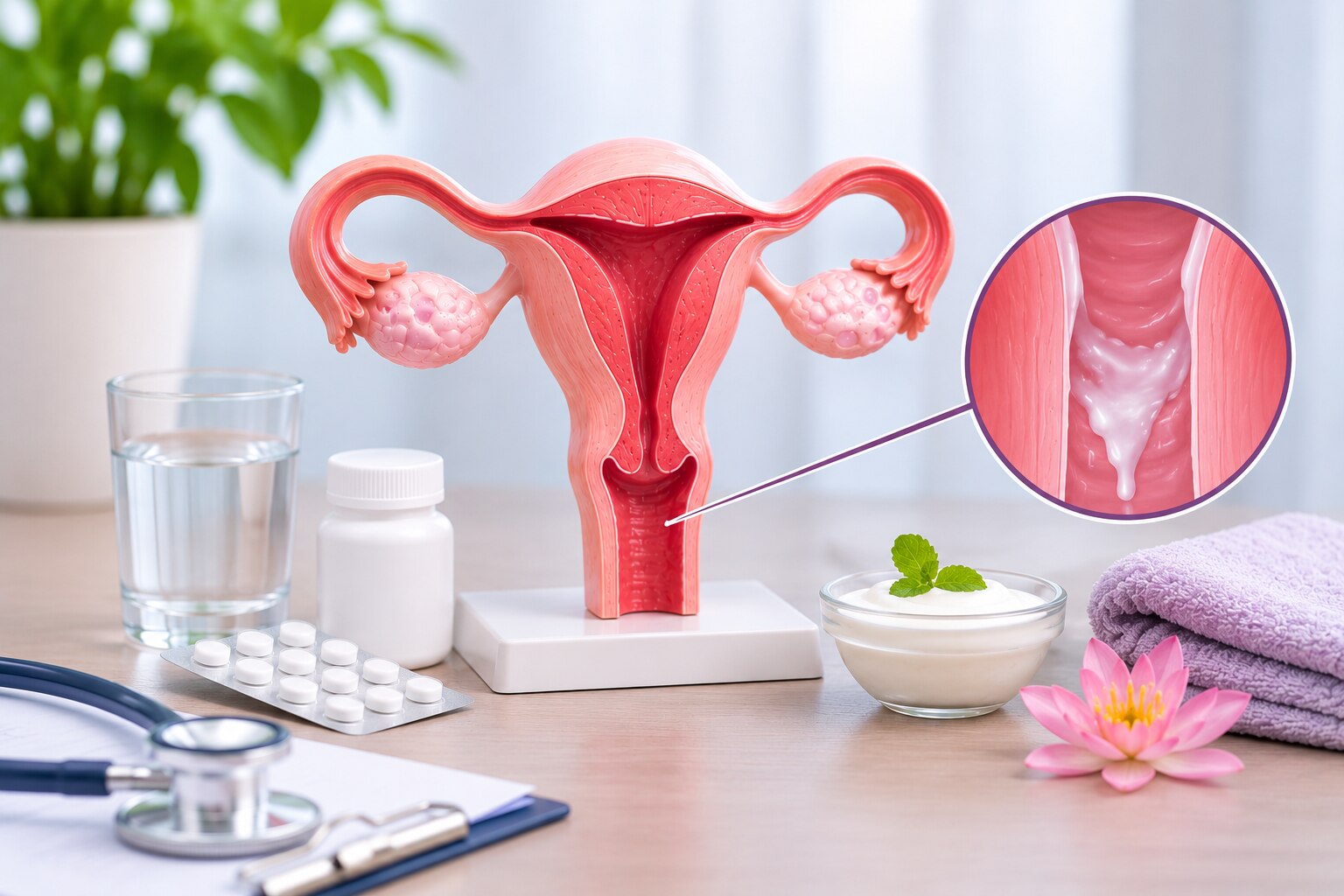
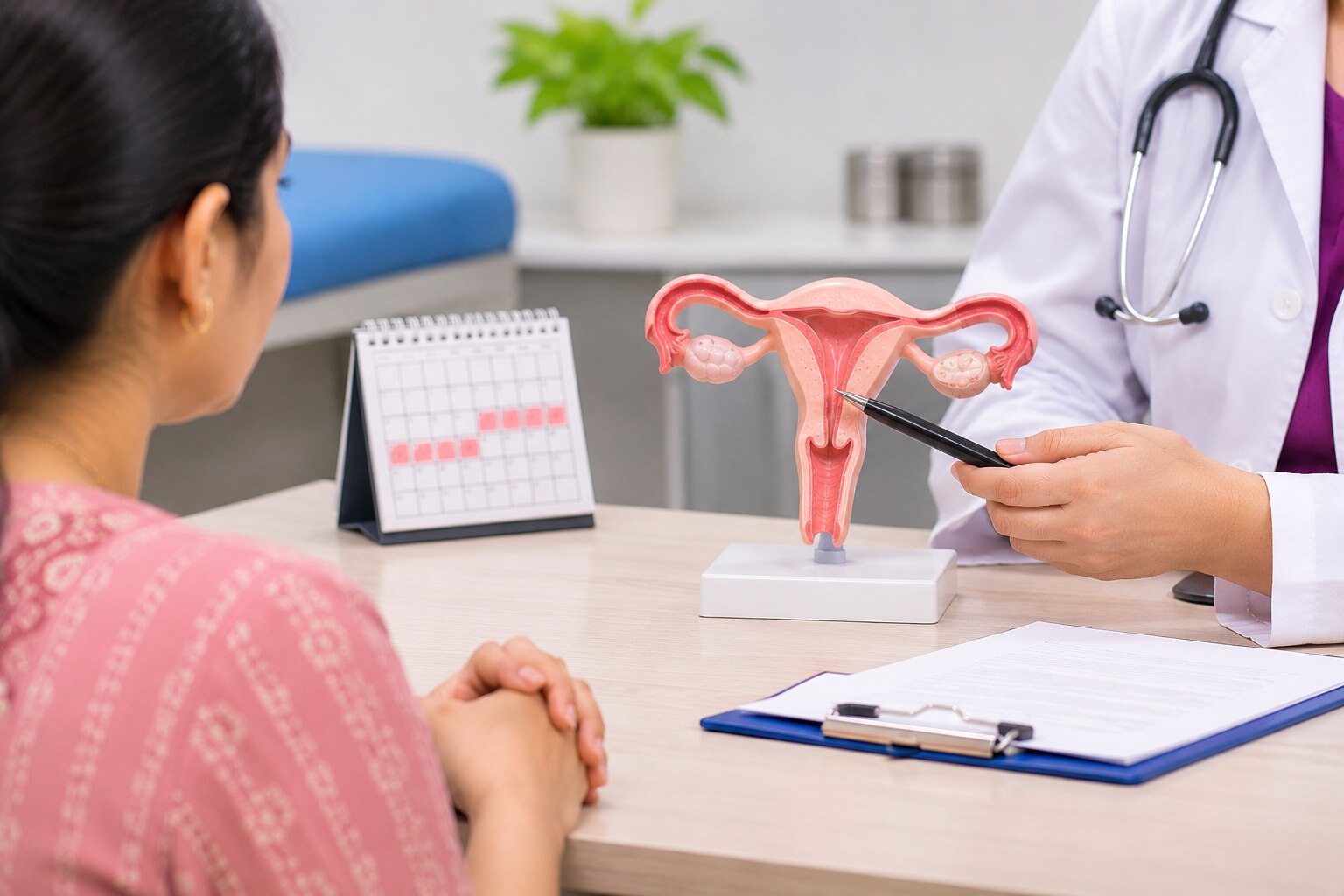
Heavy bleeding, unpredictable cycles, cramps, and fatigue can disrupt work, study, sleep, exercise, travel, and relationships. By understanding the assessment, treatment trade-offs, and signs of improvement, you can prepare for care and judge whether it is making everyday life easier.
Key takeaways
- Track bleeding, pain, cycle dates, sleep, work, and activities before your appointment.
- Ask about anaemia testing when heavy bleeding causes fatigue, breathlessness, or dizziness.
- Treatment depends on the cause, pregnancy plans, bleeding pattern, and your health history.
- Seek urgent care for soaking pads hourly, fainting, severe pain, or possible pregnancy complications.
When period symptoms deserve a proper assessment
Heavy bleeding deserves assessment when it disrupts sleep, work, travel, exercise, relationships, or wellbeing—not only when blood loss exceeds the often-cited 80 mL per cycle. A menstrual disorder consultation in Thane starts with your pattern and its daily impact, not an automatic hormone prescription.
- Bring a bleeding diary showing cycle dates, bleeding days, pad or tampon changes, flooding, clot size, pain scores, and bleeding between periods or after sex.
- Record pregnancy possibility, medicines, medical conditions, fertility plans, and anaemia symptoms such as fatigue, dizziness, breathlessness, or weakness.
- At the first appointment, the clinician reviews the diary, checks your general health, performs an examination when needed, and discusses a pregnancy test, complete blood count, ferritin, thyroid testing, or pelvic ultrasound based on your symptoms and findings.
- The heavy period treatment process in Thane then matches the cause and your priorities to a plan, with follow-up to review bleeding, energy, side effects, and fertility goals.
Seek urgent assessment for pads or tampons soaking rapidly, fainting, severe weakness, chest pain, or shortness of breath. Pregnancy-associated bleeding, severe one-sided pain, and bleeding after menopause also need prompt evaluation. Do not wait for a routine appointment when these symptoms occur.
How clinicians find the cause of heavy or irregular bleeding
Clinicians find the cause by matching your bleeding pattern, examination and test results; they do not prescribe hormones automatically. The heavy period treatment process in Thane usually follows these steps:
1. Review cycle length, bleeding days, flooding, clots, pain, bleeding between periods or after sex, medicines, fertility plans and anaemia symptoms. If pregnancy is possible, take a pregnancy test. A complete blood count checks for anaemia. Ferritin helps confirm depleted iron stores, especially with fatigue, heavy prolonged bleeding or a low blood count.
2. Order targeted tests. Thyroid testing is guided by symptoms or clinical findings, not done routinely for every heavy period. Prolactin testing helps when irregular cycles occur with nipple discharge, headaches or suspected ovulation problems.
Bleeding since the first periods, together with personal or family nosebleeds, easy bruising or excessive bleeding after procedures, raises concern for a clotting disorder and warrants evaluation.
3. Choose imaging from the examination. Pelvic ultrasound is useful for suspected adenomyosis, a large uterus or a pelvic mass. Hysteroscopy examines the uterine cavity when polyps, submucosal fibroids or endometrial pathology are suspected.
For irregular cycles, an irregular period doctor in Thane tracks cycle intervals and assesses ovulation, weight or exercise changes, stress, undernutrition, perimenopause, medicines, thyroid disease, raised prolactin and primary ovarian insufficiency. Irregular periods alone do not diagnose PCOS; diagnosis needs the appropriate clinical assessment and supporting findings.
Which treatments can make everyday routines easier
Choose treatment by the disruption you want to reduce: pain, leaks, unpredictable timing, fatigue, or difficulty conceiving. Period problem treatment in Thane can improve sleep, attendance, exercise, travel, and energy even before cycles become fully regular.
| Option | Daily-life problem addressed | Main trade-off |
|---|---|---|
| Ibuprofen or another NSAID | Reduces cramps and some bleeding, helping sleep, work, and exercise | Avoid it when contraindicated; it does not suit everyone |
| Tranexamic acid | Reduces bleeding on the days you take it, which can mean fewer leaks and easier travel | It does not regulate cycles or provide contraception; use it when appropriate |
| Combined hormonal pills | Controls bleeding and provides contraception, making routines more predictable | Suitability depends on migraine history, clot risk, medicines, and other contraindications |
| Cyclical progestogens | Controls bleeding during prescribed parts of the cycle | It may not provide contraception, and bleeding can remain irregular |
| Levonorgestrel-releasing intrauterine system | Often substantially reduces bleeding and provides long-term contraception | Spotting or irregular bleeding is common during the first few months while the body adjusts |
Do not assume early spotting means the intrauterine system has failed. Review persistent bleeding, troublesome side effects, and pregnancy plans before changing treatment.
Take iron replacement when testing confirms iron deficiency; treating unexplained anaemia blindly can miss another cause. Restoring iron stores can improve fatigue, concentration, and weakness.
Larger fibroids may need discussion of medical therapy, uterine-artery embolisation, myomectomy, or hysterectomy. The choice depends on size, location, symptoms, anaemia, and fertility plans—not fibroid size alone.
How to measure whether treatment is working
Record two to four weeks before treatment, then continue through each follow-up cycle. Use the same measures each time so change is visible rather than guessed.
- Note the cycle interval, bleeding days, number of pad or tampon changes, flooding episodes, and largest clot size.
- Score pain from 0 to 10, and record dizziness, fatigue, sleep disruption, missed work or school, and limits on exercise.
- Record every treatment side effect, including nausea, headaches, mood changes, breast tenderness, or continued spotting.
- Compare the diary with your baseline after treatment begins. Success may mean fewer disruptive days, better sleep, improved energy, fewer leaks, or easier exercise even when cycles are not yet regular.
Do not stop follow-up because bleeding has changed slightly. Persistent spotting, continuing anaemia, side effects that make you skip doses, changed fertility plans, or symptoms suggesting a polyp, fibroid, adenomyosis, or another structural cause all require a treatment review.
A menstrual disorder consultation in Thane can become an ongoing plan rather than repeated treatment of isolated episodes. Dr. Mrs. Pradnya J. Gavali - Gynaecologist can review your diary, examination and test results, assess the treatment response, and discuss whether to continue, adjust, investigate further, or choose another option.
Seek urgent care for heavy bleeding with fainting, breathlessness, chest pain, severe weakness, or rapid pad soaking.
Related service
Menstrual Disorders Management Menstrual Disorders Management Menstrual disorders can affect women of all ages and may include irregular periods, heavy menstrual bleeding, painful cramps, missed periods,... View service → |
Mistakes that delay relief or hide a serious problem
Taking painkillers whenever bleeding becomes heavy can delay the right diagnosis. Ibuprofen and similar anti-inflammatory medicines can reduce cramps and some menstrual bleeding, but they are not a complete solution for repeated flooding, anaemia, bleeding between periods, or bleeding after sex. Do not keep escalating over-the-counter doses without medical advice.
Iron tablets are not harmless proof of treatment. Check a complete blood count and, when indicated, ferritin before taking them; persistent anaemia also requires investigation for ongoing blood loss or another cause.
An irregular cycle does not automatically mean polycystic ovary syndrome. Pregnancy, thyroid disease, stress, undernutrition, weight or exercise changes, medicines, perimenopause, and primary ovarian insufficiency can also disrupt ovulation. Childbirth or a contraception change can temporarily alter bleeding, but a pattern that persists or worsens deserves review.
A family member calling heavy periods “normal” does not make flooding, anaemia, missed work, missed classes, or abandoned exercise safe. Your symptoms deserve attention when they limit ordinary life.
Use this action rule:
- Seek urgent care for very heavy bleeding with dizziness, fainting, breathlessness, chest pain, marked weakness, or rapid soaking of pads or tampons.
- Seek prompt evaluation for pregnancy-associated bleeding, severe one-sided pelvic pain, or any bleeding after menopause.
Frequently asked questions
When do period symptoms deserve a proper assessment?
Book an assessment when bleeding, pain, or irregular cycles disrupt sleep, work, exercise, travel, relationships, or wellbeing. Seek urgent care for fainting, severe pain, or soaking pads hourly.
How do clinicians find the cause of heavy or irregular bleeding?
They review your cycle pattern, bleeding volume, pain, medicines, pregnancy possibility, and medical history. Assessment can include a pregnancy test, blood count for anaemia, thyroid testing when indicated, pelvic examination, and ultrasound.
What happens during menstrual disorder treatment in Thane?
Your clinician matches treatment to the cause, symptom severity, pregnancy plans, and health risks. Options can include medicines that reduce bleeding or pain, hormonal treatment, an intrauterine system, or treatment for conditions such as fibroids.
How can you measure whether treatment is working?
Track bleeding days, pad or tampon changes, pain scores, cycle timing, fatigue, sleep, missed activities, and side effects. Review the record with your clinician if symptoms continue or worsen.
Keywords