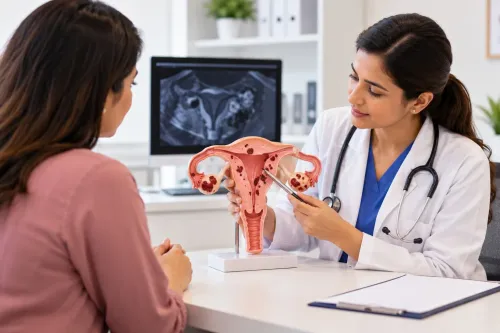
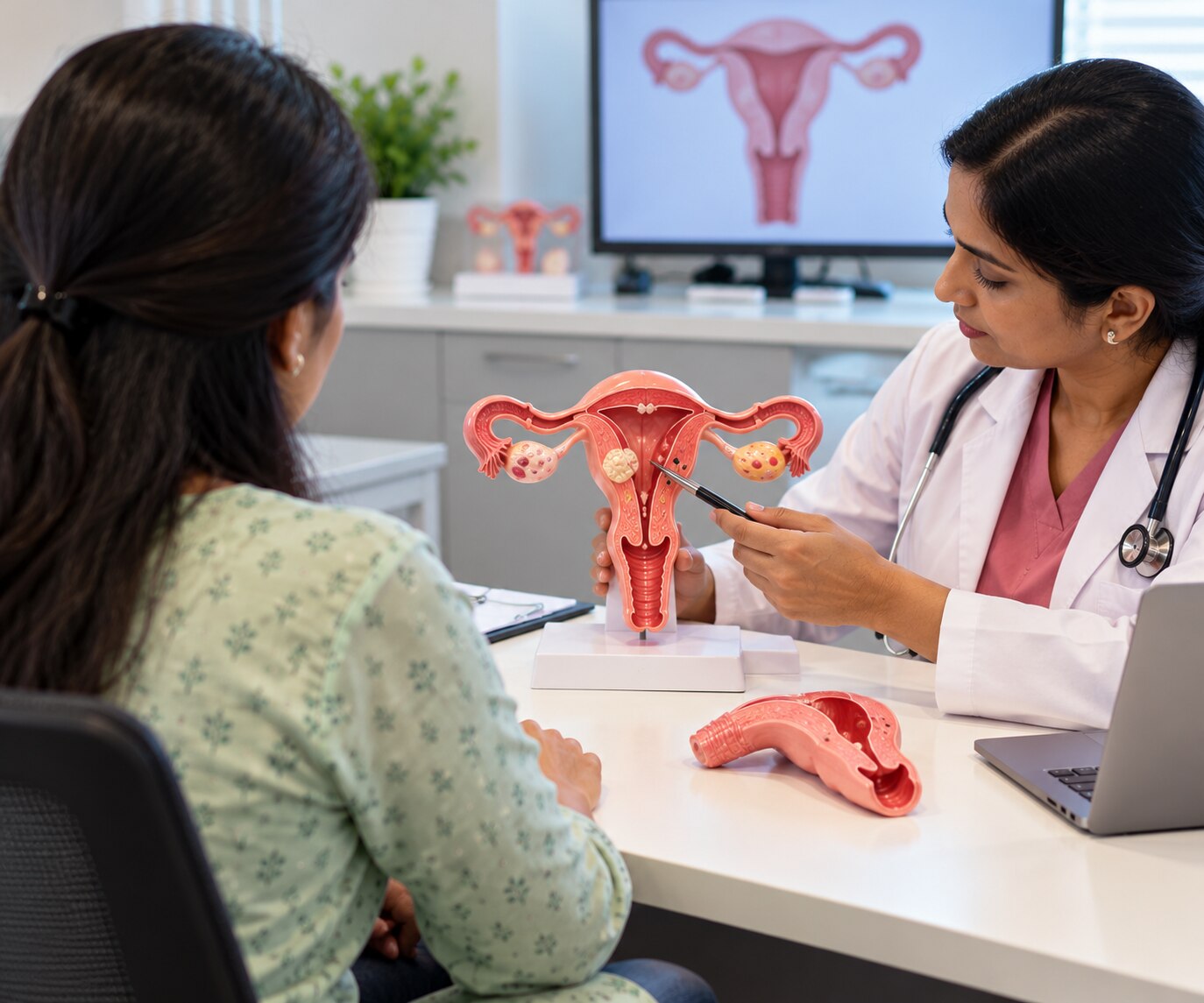
Hysterectomy can permanently stop heavy uterine bleeding, resolve pressure from an enlarged uterus and correct prolapse, but its value depends on whether the uterus is the confirmed source of your symptoms. By the end, you will know which benefits are permanent, what alternatives to compare, how the surgical route affects recovery and which questions to ask before choosing care.
Key takeaways
- Hysterectomy permanently stops periods and pregnancy from the uterus.
- Confirm medicines and uterus-preserving treatments have failed before surgery.
- Ask which organs will be removed and whether the ovaries will remain.
- Compare surgical route, complication rates, recovery plans and hospital support.
Which ongoing problems can hysterectomy permanently improve?
Hysterectomy offers a permanent benefit when the uterus is clearly causing the problem and medicines or other treatments have not worked. Removing the uterus stops menstrual periods and prevents pregnancy from the uterus permanently, so future fertility must be excluded from the decision.
| Problem | Practical benefit | Important limit |
|---|---|---|
| Heavy menstrual bleeding | Stops uterine bleeding permanently and can prevent further iron-deficiency anaemia | Confirm the cause before choosing irreversible surgery |
| Enlarged uterus or fibroids | Can relieve pressure, fullness, frequent urination and related discomfort | Bladder or bowel symptoms can have another cause |
| Uterine prolapse | Removes the prolapsed uterus and can improve bulging and pressure | Pelvic-floor weakness or urinary symptoms may still need treatment |
| Adenomyosis | Removes the uterine source of heavy bleeding and uterine pain | Pain from outside the uterus can continue |
| Another confirmed uterine condition | Treats symptoms arising from that diseased uterus | It does not guarantee relief from unrelated pelvic pain |
These hysterectomy benefits are diagnosis-dependent, not a universal answer to ongoing pelvic symptoms. Pain from the bowel, bladder, pelvic floor, nerves or endometriosis outside the uterus can persist; removing the uterus alone does not remove extrauterine endometriosis.
The benefits of uterus removal surgery in Thane depend on the diagnosis, surgical route, surgeon and hospital support, not location alone.
Seek urgent medical assessment for heavy bleeding with fainting, severe sudden pain, fever or possible pregnancy-related symptoms. Do not treat those warning signs as a routine surgery-planning appointment.
What does the operation remove, and which effects are permanent?
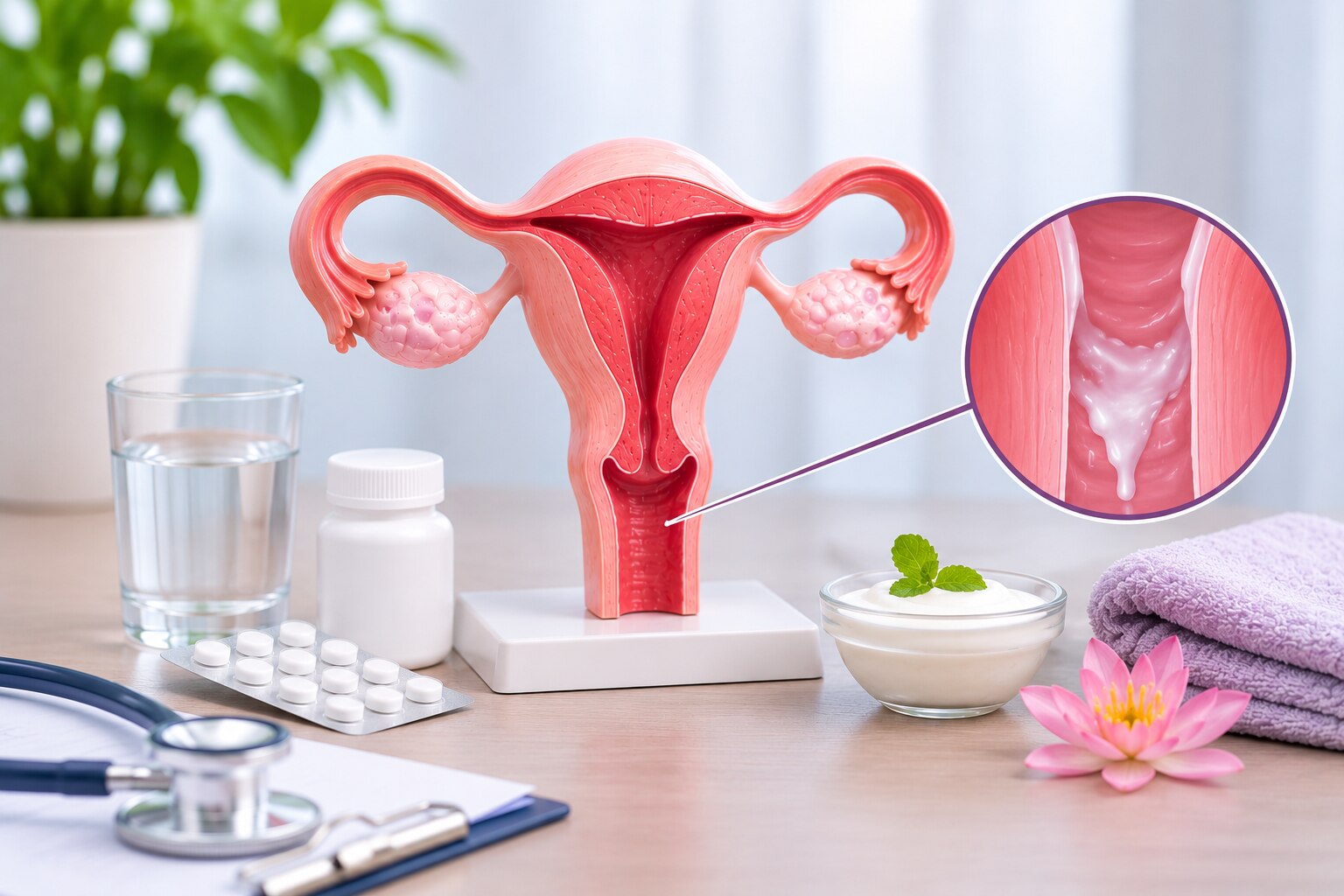
The permanent effects depend on what is removed. A total hysterectomy removes the uterus and cervix; a subtotal, or supracervical, hysterectomy removes the uterus but leaves the cervix.
| Type | What is removed | Permanent consequence |
|---|---|---|
| Total hysterectomy | Uterus and cervix | Menstrual periods stop and pregnancy from the uterus is no longer possible |
| Subtotal hysterectomy | Uterus only | Periods stop, but the remaining cervix still requires cervical screening |
| Hysterectomy with tube removal | Uterus plus fallopian tubes | Tubes are removed; this does not cause immediate menopause |
| Hysterectomy with ovary removal | Uterus plus one or both ovaries | Removing both functioning ovaries causes immediate surgical menopause |
Removing the uterus does not automatically remove the fallopian tubes or ovaries. Preserving functioning ovaries allows hormone production to continue until natural menopause, although ovarian function can decline earlier after hysterectomy. Removing an ovary is considered differently when ovarian disease, a genetic cancer risk or cancer is present.
Cervical screening continues when the cervix remains. If the cervix was removed for benign disease and there is no history of high-grade cervical precancer or cervical cancer, routine vaginal cytology is generally not recommended; previous high-grade disease or cancer requires an individual surveillance plan.
These distinctions affect the hysterectomy benefits and must be written into your consent discussion for uterus removal surgery in Thane, including exactly which organs will remain.
What should you compare before choosing irreversible surgery?
Compare hysterectomy with the least-invasive option that treats your confirmed diagnosis. It becomes more reasonable when symptoms are severe, treatment has failed or the uterus is clearly the source, and less suitable when future pregnancy matters or the cause remains uncertain.
| Condition | Options to compare | When hysterectomy may be preferable |
|---|---|---|
| Heavy bleeding without major uterine pathology | Levonorgestrel-releasing intrauterine system, tranexamic acid, non-steroidal anti-inflammatory drugs, hormonal contraception or endometrial ablation | After proper assessment and unsuccessful or unacceptable alternatives; ablation is unsuitable when future pregnancy is desired |
| Fibroids | Uterine artery embolisation or myomectomy | When fibroids cause persistent bleeding, anaemia, pressure or pain and fertility is not required |
| Prolapse | Pessary treatment and pelvic-floor care | When prolapse remains troublesome despite these measures |
| Endometriosis | Targeted medical or surgical treatment for disease sites | Not as a simple cure: removing the uterus does not remove endometriosis outside it |
Before booking gynaecological surgery in Thane, ask:
- Why is hysterectomy better for my diagnosis than medicines, an intrauterine system, embolisation, myomectomy, ablation or pelvic-floor treatment?
- Has bleeding been fully assessed, and could pain come from the ovaries, bladder, bowel or pelvic floor?
- What happens if unexpected cancer or severe adhesions are found?
- Which risks apply to my health, including bleeding, infection, blood clots, urinary or bowel injury and anaesthetic complications?
Hysterectomy is irreversible and a poor fit when you want a future pregnancy. Further evaluation is essential when the diagnosis is unclear or symptoms do not match a uterine problem.
How does the surgical route change recovery and risk?
A larger incision usually means more wound pain and a longer recovery. For uterus removal surgery in Thane, the safest route depends on your anatomy, diagnosis and medical history, not on speed alone.
| Route | Practical recovery | When it may be chosen |
|---|---|---|
| Abdominal | Recovery commonly takes 6 to 8 weeks; the larger incision needs more wound care. | Very large uterus, extensive disease, cancer, or when minimally invasive surgery is unsafe. |
| Vaginal | No abdominal incision; recovery is often about 3 to 4 weeks. | When the uterus can be removed safely through the vagina. |
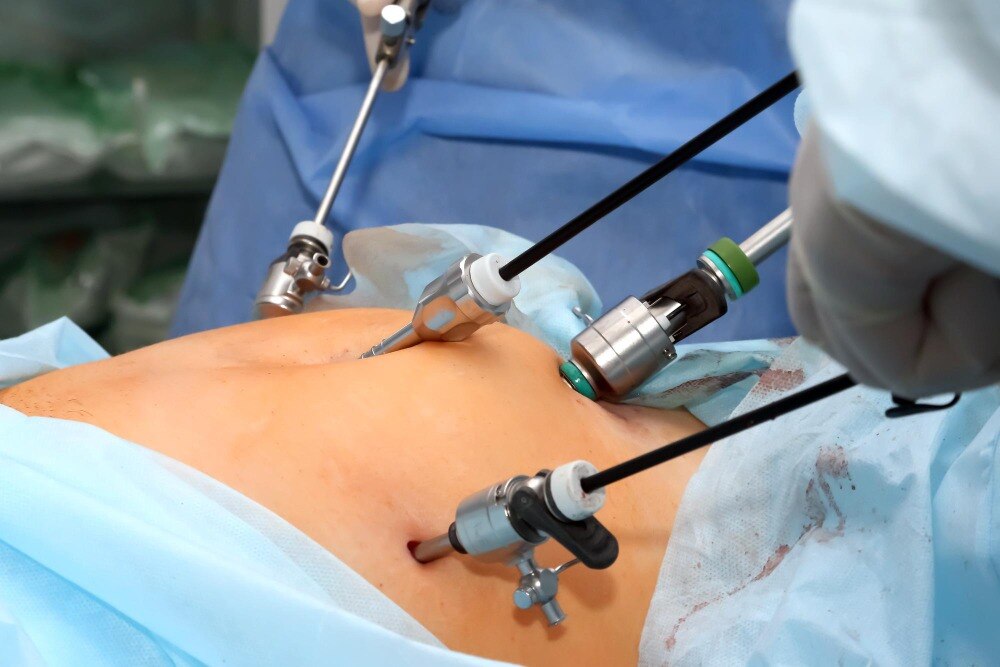
| Laparoscopic | Small abdominal incisions, often a shorter hospital stay and recovery of about 3 to 4 weeks. | Many benign conditions when anatomy and previous operations allow safe access. |
| Robotic | Small abdominal incisions and a recovery often similar to laparoscopy. | Selected cases where robotic instruments improve access or precision. |
These timeframes are estimates, not return-to-normal dates. Bleeding, adhesions, uterine size, previous operations, obesity, cancer and other conditions can increase risk or require conversion from laparoscopic or robotic surgery to an open abdominal operation.
Every route carries risks, including bleeding, infection, blood clots, anaesthetic complications, and injury to the bladder, ureters, bowel or blood vessels. Your surgeon’s instructions decide when you can drive, lift, work or have sex; rushing these activities can open wounds or worsen pain. Discuss the hysterectomy benefits and route-specific risks before consenting.
How can you assess a hysterectomy surgeon and hospital in Thane?
Before booking a hysterectomy surgeon in Thane, verify the operation, the hospital’s safety systems and the follow-up plan in writing. Claims about uterus removal surgery benefits in Thane depend on diagnosis, route, surgeon experience and complication support—not location alone.
1. Ask about the surgeon’s gynaecological surgery training, experience with your proposed route and relevant case volume. Ask why that route suits your uterine size, anatomy, previous operations and medical conditions.
2. Confirm whether the plan is total or subtotal hysterectomy, and whether the fallopian tubes, one ovary or both ovaries will be removed. Ask what happens if unexpected cancer or severe adhesions are found.
3. Ask the expected hospital stay and recovery restrictions, including driving, lifting, work and sexual activity. Confirm the anaesthesia team’s involvement and the hospital’s emergency, blood-transfusion and intensive-care arrangements.
4. Ask how the team would manage bleeding, bladder, ureter or bowel injury. These complications require prompt surgical, urological or general-surgical support, not delayed referral.
5. Request a written estimate separating surgeon fees, hospital charges, anaesthesia, pathology, medicines, room category, follow-up and treatment of complications. Compare like-for-like estimates.
6. Confirm who will review you after discharge and which telephone number reaches the team urgently, including nights and weekends.
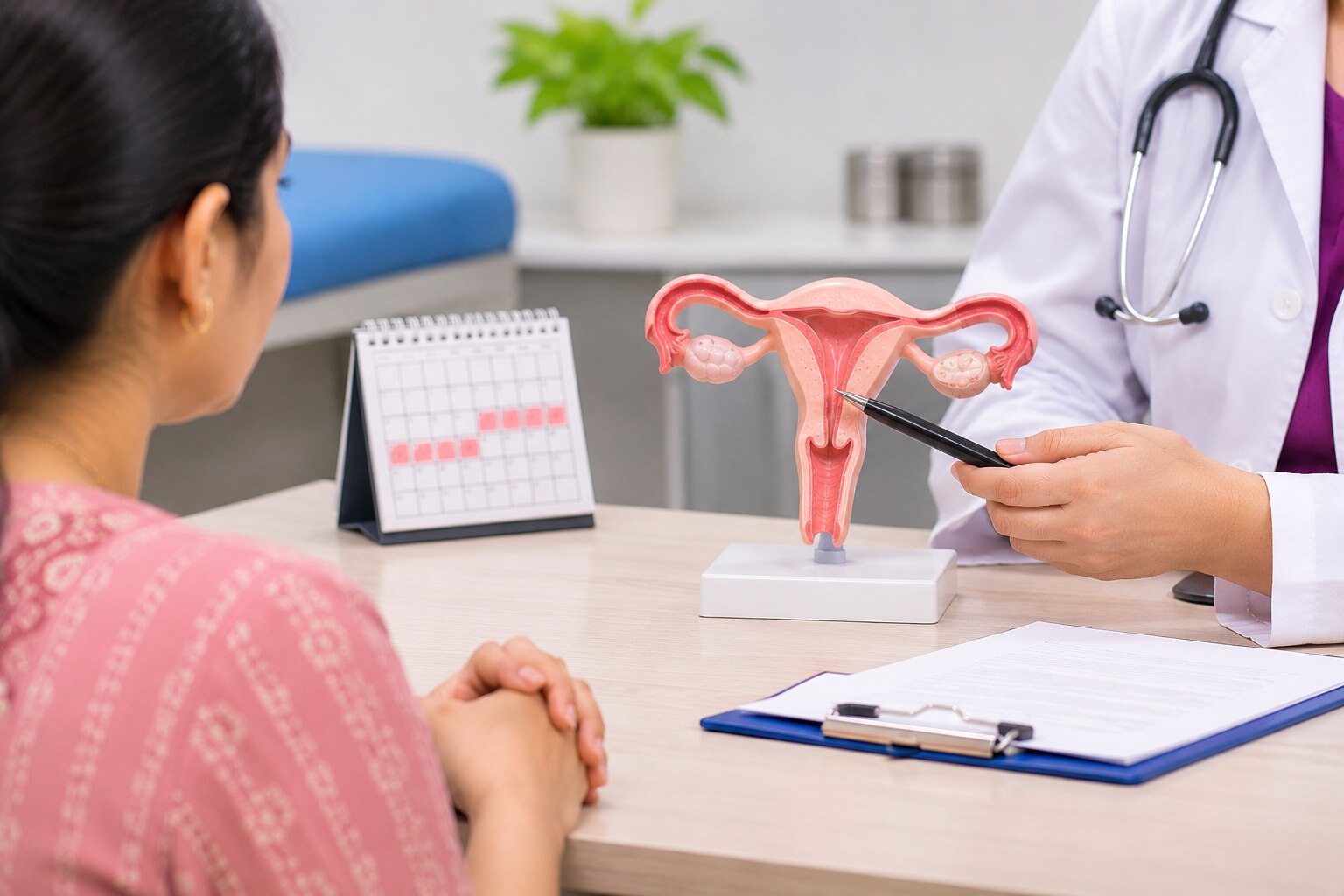
A consultation with Dr. Mrs. Pradnya J. Gavali - Gynaecologist can help you assess alternatives, route, ovarian preservation and recovery through diagnosis-led counselling before choosing gynaecological surgery in Thane.
Related services
Uterus Removal Surgery also known as a hysterectomy, is a surgical procedure recommended for women with conditions such as large fibroids, severe endometriosis, abnormal... View service → |
Laparoscopic Gynaecologist Laparoscopic gynaecology is a modern minimally invasive surgical approach used to diagnose and treat various gynaecological conditions with small... View service → |
Frequently asked questions
Which ongoing problems can hysterectomy permanently improve?
Hysterectomy can permanently treat problems caused by the uterus, including persistent heavy bleeding, fibroids, adenomyosis, uterine prolapse and some cancers. The benefit depends on confirming that the uterus is the source of symptoms.
What does hysterectomy remove, and which effects are permanent?
The operation removes the uterus and sometimes the cervix, fallopian tubes or ovaries. Removing the uterus permanently ends menstrual periods and pregnancy from the uterus; ovary removal also causes surgical menopause.
What should you compare before choosing irreversible surgery?
Compare the diagnosis, non-surgical and uterus-preserving options, fertility plans, expected symptom improvement, ovary plans, surgical risks and recovery time.
How does the surgical route change recovery and risk?
Abdominal, vaginal and laparoscopic or robotic hysterectomy differ in incision size, hospital stay, recovery time and risks. Ask why the recommended route suits your uterus size, diagnosis and previous operations.
How can you assess a hysterectomy surgeon and hospital in Thane?
Ask about the surgeon’s experience with your planned route, the hospital’s emergency and anaesthesia support, complication management, blood services, follow-up arrangements and the written estimate.
Keywords