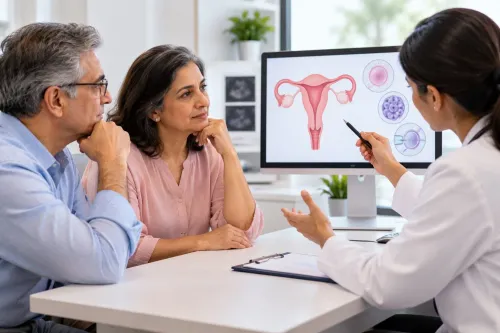

Contraception is not a one-size-fits-all decision. The most suitable method depends on a person’s health, age, reproductive plans, menstrual concerns, breastfeeding status, preferences, and ability to use the method consistently.
Family planning and contraceptive counselling in Thane gives women and couples an opportunity to compare options with a qualified gynaecologist rather than choosing solely through advertisements, friends, or social media.
Questions to Consider Before Choosing a Method
A useful consultation explores:
- Whether pregnancy is desired in the future
- How soon fertility may be needed
- Menstrual flow and pain
- Previous contraceptive experience
- Breastfeeding status
- Migraine history
- Blood pressure
- Tobacco use
- Personal or family history of blood clots
- Current medicines
- Comfort with daily, monthly, or long-acting methods
The answers help narrow the choices, but the final decision should also reflect the woman’s preferences.
Understanding Common Options
Barrier Methods
Condoms are used when intercourse occurs and can also reduce the risk of many sexually transmitted infections. Correct and consistent use is essential.
Oral Contraceptive Pills
Different pill formulations work in different ways. Suitability depends on medical history and the ability to take tablets consistently. Some pills may be unsuitable for women with particular migraine, clotting, smoking, blood-pressure, or other health risks.
Intrauterine Contraception
Copper-bearing and hormone-releasing intrauterine devices provide long-acting contraception. They differ in their effects on menstrual bleeding and may remain effective for several years, depending on the product.
Injectable or Implantable Methods
These methods provide contraception without daily action. Availability, expected bleeding changes, reversibility, and individual suitability should be discussed.
Permanent Contraception
Sterilisation may be considered by individuals or couples who are certain they do not want future pregnancies. Because it is intended to be permanent, counselling should cover alternatives and the implications of the decision.
Contraception After Childbirth
Postpartum contraception can be discussed during pregnancy rather than waiting until after delivery. Fertility may return before the first visible menstrual period.
The choice depends on breastfeeding, delivery method, medical history, and personal preference. Some methods can be started soon after childbirth, while others may be recommended later.
Emergency Contraception
Emergency contraception may be considered after unprotected intercourse or contraceptive failure. It works best when accessed promptly. It does not provide continuing contraception for future intercourse and should not replace a regular method.
A gynaecologist can also explain whether a pregnancy test, sexually transmitted infection assessment, or ongoing contraceptive plan is needed.
Myths That Can Lead to Poor Decisions
Common misconceptions include the belief that every hormonal method causes permanent infertility or that contraception is unnecessary during breastfeeding. Another harmful assumption is that pregnancy cannot occur during irregular cycles.
Individual methods have potential benefits and side effects, but these should be discussed using evidence and personal medical history.
Dr. Mrs. Pradnya J. Gavali provides contraceptive counselling for women and couples in Thane, Maharashtra. The aim is to explain appropriate choices without pressure and identify any medical factors affecting suitability.
When to Review the Method
Medical advice is appropriate when side effects are difficult to manage, periods change significantly, a method is missed or displaced, pregnancy is suspected, or reproductive plans change.
Good family planning care protects autonomy. The right method is one that is medically appropriate, acceptable to the user, and practical enough to use correctly.
Keywords