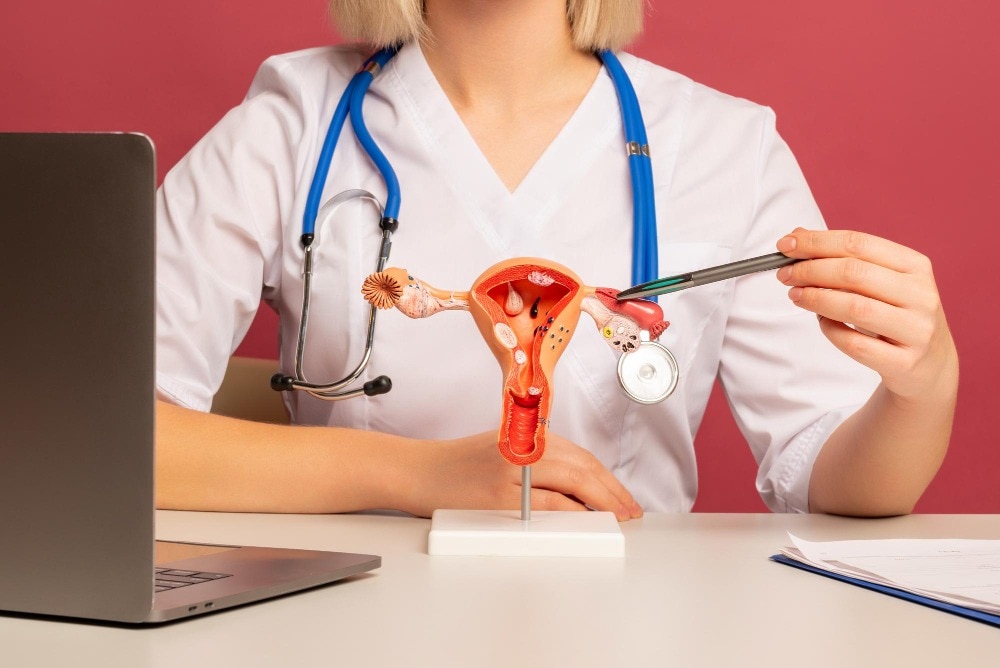
Persistent pelvic pain needs a care plan, not repeated painkillers or an assumption that severe period pain is normal. By comparing the roles, warning signs, appointment process, investigations, and follow-up options, you can decide where to start and when to request focused endometriosis care.
Key takeaways
- Start with a general gynaecologist for suspected endometriosis and initial assessment.
- Seek focused endometriosis care when pain persists despite treatment or affects fertility.
- Bring cycle dates, symptom patterns, medication details, scan reports and fertility history.
- Ask about ultrasound findings, MRI indications, treatment review and long-term follow-up.
Which clinician should you see first for suspected endometriosis?
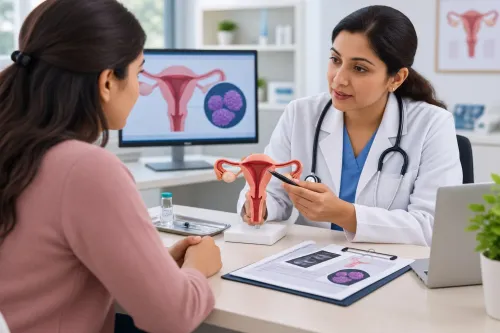
A general gynaecologist is usually the right first appointment for suspected endometriosis: they can take a menstrual and fertility history, examine you when appropriate, arrange pelvic ultrasound, start pain or hormonal treatment, and review your response.
| Clinician | Training and assessment | Surgery | Follow-up |
|---|---|---|---|
| General gynaecologist | Broad women’s-health training; assesses common causes of pelvic pain and arranges initial imaging. | Handles routine gynaecological procedures and refers complex disease. | Monitors symptoms, treatment effects, fertility plans, and the need for referral. |
| Endometriosis-focused clinician | Sees endometriosis regularly, interprets specialist pelvic imaging, and looks for deep disease, endometriomas, and overlapping pain conditions. | Plans advanced laparoscopy or refers to a team experienced with bowel, bladder, or ureter involvement. | Coordinates medical treatment, fertility advice, pelvic-floor or pain care, and recurrence monitoring. |
Choose an endometriosis-focused consultation sooner if pain continues despite standard painkillers or hormonal treatment, disrupts work or school, causes pain with bowel movements or urination during periods, causes deep pain during sex, affects fertility, or follows repeated emergency visits. An endometrioma or suspected deep disease on imaging also warrants escalation.
If you are comparing an endometriosis specialist or general gynaecologist in Thane, ask who routinely manages complex cases and whether surgery is genuinely needed. Endometrioma surgery can reduce ovarian reserve, particularly after bilateral or repeat operations, so ask about ovarian-reserve testing, fertility preservation, and non-surgical options before operating on an ovary.
Long-term follow-up matters because symptoms can return after surgery; pain may also involve pelvic-floor muscles, the bladder, bowel, adhesions, or nervous-system sensitisation.
When does long-term pain justify an endometriosis-focused consultation?
Pain that repeatedly disrupts work, school, sleep, sex, or daily movement justifies escalation, especially when standard painkillers or hormonal treatment have not provided lasting relief. Severe period pain is not automatically normal, and pain intensity does not reliably show the extent of endometriosis.
A general gynaecologist remains suitable for initial assessment, ultrasound referral, medication, and follow-up. Consider an endometriosis-focused consultation when symptoms persist, fertility is affected, imaging shows an endometrioma or deep disease, or surgery is being considered.
| Clinician | Usual role | When to escalate |
|---|---|---|
| General gynaecologist | Examination, pregnancy and fertility history, initial imaging, pain treatment, and routine follow-up | Symptoms continue despite treatment, recur after surgery, or cause repeated emergency visits |
| Endometriosis-focused clinician or team | Detailed disease mapping, complex laparoscopic planning, recurrence prevention, and referral to colorectal, urology, fertility, or pain specialists | Deep disease involves the bowel, bladder, ureter, or other complex sites |
Ask for focused review if you have:
- Deep pain during sex or pain outside menstruation
- Painful bowel movements, painful urination, or cyclical bowel or bladder symptoms
- Infertility, recurrent ovarian endometriomas, severe fatigue, or missed work
- Pain that returns after surgery or repeated courses of painkillers or hormonal therapy
A doctor for chronic endometriosis pain in Thane should also consider pelvic-floor muscle overactivity, bladder or bowel disorders, adhesions, and nerve-related pain. Keep a cycle and symptom diary; it shows patterns and whether treatment is working.
What should you prepare for the first consultation?
Bring a one-page timeline rather than relying on memory. Record when the pain began, where it occurs, its severity from 0 to 10, whether it follows your cycle, and how long it lasts.
1. Note symptoms beyond period pain: pain during deep sex, bowel movements or urination; cyclical diarrhoea, constipation, bleeding from the rectum or urine; bloating, fatigue, pain between periods, and missed work or sleep. Record infertility, previous pregnancies, miscarriages, and your current fertility plans.
2. Bring every relevant record: ultrasound or MRI reports and images, blood-test results, discharge summaries, operative notes, pathology reports, and details of previous diagnoses. Include the names, doses, dates, and effects of painkillers, hormonal treatments, contraceptives, physiotherapy, or emergency visits.
3. List medicines, allergies, kidney or stomach problems, blood-pressure or heart conditions, and any possibility of pregnancy. Mention how frequently you take ibuprofen, naproxen, or other painkillers; repeated use affects the safety of your long-term plan.
4. Expect questions about your menstrual pattern and a pelvic examination when appropriate. This may assess tenderness, pelvic masses, or reduced organ movement, but it requires your consent. Tell the clinician about prior pelvic surgery and ask what the examination can and cannot establish.
5. Write down your practical goals: pain control, trying to conceive, avoiding surgery, returning to work, or planning pregnancy. Take someone with you if helpful, and carry a list of questions about next tests, treatment duration, side effects, and follow-up.
What can scans show, and when are MRI or surgery considered?
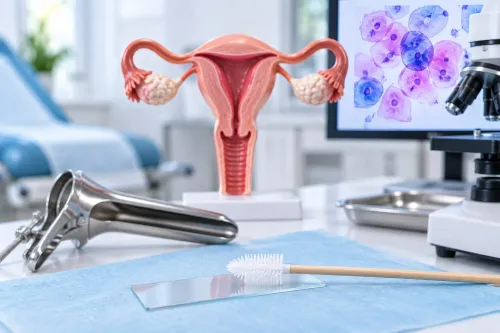
A normal pelvic ultrasound does not rule out endometriosis. Ultrasound is more informative when performed by someone experienced in endometriosis imaging, and it can show:
- An endometrioma, the blood-filled ovarian cyst linked to endometriosis
- Deep disease near the bowel, bladder, vagina, or uterosacral ligaments
- Adhesions that reduce normal movement between pelvic organs
A normal scan does not exclude superficial disease, and pain severity does not reliably match what imaging shows.
MRI is considered when ultrasound is inconclusive, deep endometriosis is suspected, or surgery would require detailed mapping. It can help identify disease near the bowel, bladder, or ureters and support planning with the appropriate surgical team. MRI is not automatically needed for every patient.
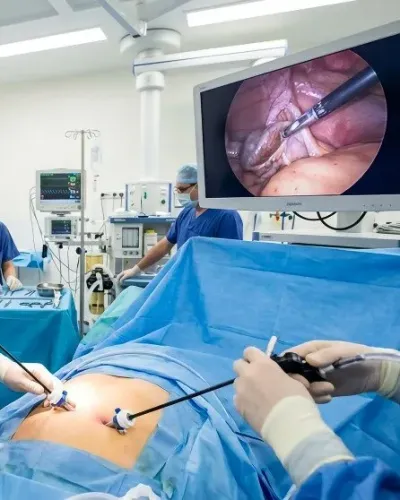
Surgery is considered for persistent pain despite medical treatment, an endometrioma or deep disease causing significant symptoms, fertility-related decisions, or a diagnosis that cannot be clarified otherwise. Discuss benefits, complications, alternatives, recurrence, and the surgeon’s experience before proceeding.
Endometrioma surgery can reduce ovarian reserve, especially after bilateral or repeat operations, so ask about ovarian-reserve testing and fertility preservation first.
Treatment may follow one or more pathways:
- Medical: pain relief and hormonal suppression when pregnancy is not being pursued
- Fertility: assessment of ovarian reserve, tubes, partner factors, and referral to reproductive medicine; hormonal suppression does not improve spontaneous pregnancy rates
- Multidisciplinary: expert laparoscopic surgery with colorectal, urology, pain, or fertility input for complex disease
How can you check whether a Thane clinician is suitable for long-term care?
Choose a clinician who can explain a long-term plan, not one who relies on the label “specialist.” Ask how many patients with endometriosis they manage each month, whether they review specialist pelvic ultrasound or MRI, and how they measure improvement beyond scan results.
| Clinician type | What to check | When it fits |
|---|---|---|
| General gynaecologist | Initial assessment, pain treatment, pregnancy history, ultrasound review and routine follow-up | Suspected or uncomplicated disease |
| Endometriosis-focused clinician | Experience with endometrioma, deep disease, recurrent symptoms and fertility-related decisions | Persistent pain, infertility, complex imaging or planned surgery |
| Specialist team | Laparoscopic surgeon plus colorectal, urology, reproductive-medicine or pain expertise | Bowel, bladder or ureter involvement, repeat surgery or severe chronic pain |
Ask these questions before agreeing to surgery or long-term treatment:
- “Could treatment affect my ovarian reserve?” Ask whether AMH or antral follicle count, fertility preservation, or a non-surgical option should be discussed before operating on an ovary, especially after previous or bilateral surgery.
- “What is your plan if pain returns?” A good answer includes symptom review, medication options, imaging triggers and a clear recurrence follow-up schedule.
- “If I want pregnancy now, what changes?” Hormonal suppression does not improve spontaneous pregnancy rates; ask when to involve a reproductive-medicine specialist and how tubal, partner and ovarian factors will be assessed.
- “Who will you refer me to if disease involves the bowel, bladder or ureter, or if pain continues after lesions are treated?”
An endometriosis care provider in Thane should also assess pelvic-floor, bladder, bowel and musculoskeletal contributors. Dr. Mrs. Pradnya J. Gavali - Gynaecologist can be assessed against these same practical questions about referrals and continuing care.
Related services
Endometriosis Treatment Endometriosis is a common gynaecological condition in which tissue similar to the lining of the uterus grows outside the uterus, causing pelvic pain,... View service → |
Pelvic Pain Treatment Pelvic pain can significantly affect a woman's daily life and may be caused by various gynaecological conditions, including endometriosis, ovarian... View service → |
Frequently asked questions
Which clinician should you see first for suspected endometriosis?
A general gynaecologist is usually the right first appointment. They can review your menstrual and fertility history, examine you when appropriate, arrange a pelvic ultrasound, begin treatment and assess your response.
When does long-term pain justify an endometriosis-focused consultation?
Consider an endometriosis-focused consultation when pelvic pain continues despite treatment, returns repeatedly, disrupts work or sleep, causes painful sex or bowel symptoms, or affects fertility planning.
What should you prepare for your first endometriosis consultation?
Bring a record of cycle dates, pain location and severity, bleeding changes, bowel or bladder symptoms, painful sex, fertility goals, previous treatments, medication reactions and scan reports.
What can scans show in suspected endometriosis?
A pelvic ultrasound can identify ovarian endometriomas, some deep endometriosis features and other causes of pelvic pain. A normal scan does not rule out all endometriosis.
When are MRI or surgery considered for endometriosis?
MRI can help map suspected deep endometriosis when ultrasound findings are unclear or surgery is being planned. Laparoscopy is considered after clinical assessment when diagnosis or treatment requires direct inspection.
Related service
Breast Related Concerns Treatment Breast Related Concerns Treatment Breast-related concerns in women can include breast pain, lumps, swelling, nipple discharge, infections, or hormonal changes that may cause... View service → |
Keywords