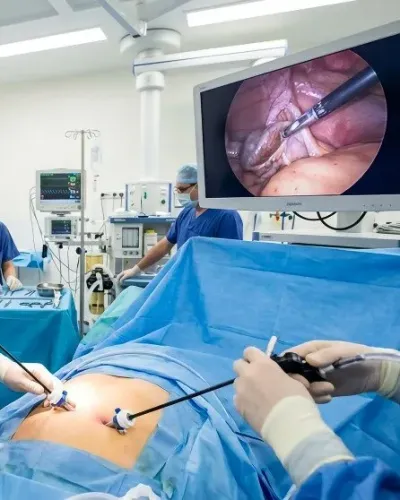

A maternity plan is more than a pregnancy confirmation and periodic scans: it connects first-visit history-taking, screening, delivery decisions, hospital readiness and recovery after discharge. By the end, you will know what to arrange at each stage, which hospital and doctor questions to ask, and which symptoms require urgent care instead of a routine appointment.
Key takeaways
- Bring medical history, medicines, test reports and prior pregnancy records.
- Match scans, blood tests and monitoring to your stage of pregnancy.
- Check doctor continuity alongside the hospital’s emergency and newborn facilities.
- Write down warning signs and the hospital contact process before discharge.
Start with a Complete First-Visit Record
Bring a written health record to your first appointment, whether you are planning pregnancy or have just received a positive test. Early documentation prevents missed risks and gives your pregnancy care doctor in Thane a reliable starting point for complete maternity care in Thane.
- Record the first day of your last menstrual period, usual cycle length, positive-test date and any bleeding, pain, fever, vomiting or dizziness.
- List every previous pregnancy, miscarriage, abortion, ectopic pregnancy, birth, caesarean, premature delivery and newborn complication.
- Write down medical conditions, surgeries, allergies, medicines, supplements and family history of diabetes, hypertension, genetic disorders or blood-clotting problems.
- Bring vaccination records, especially tetanus-diphtheria doses, and ask whether you need updating rather than automatically repeating the series.
- Discuss folic acid, nutrition, exercise, work exposures, tobacco or alcohol, dental care, mental health and medicines that require review before conception.
- Ask how blood pressure, urine, blood group and Rh status, haemoglobin, infection screening, glucose testing and ultrasound will be scheduled.
Discuss contraception for after birth before delivery; ovulation can return before the first period. Seek urgent assessment for severe headache, visual disturbance, upper-abdominal pain or sudden face-and-hand swelling.
Match Tests and Monitoring to Each Stage of Pregnancy
At the first visit, record the last menstrual period, medical conditions, previous pregnancies, medicines, allergies, vaccinations and warning symptoms. Check blood pressure, weight and urine, then arrange haemoglobin or complete blood count, blood group and Rh type, HIV, syphilis, hepatitis B, glucose testing and a dating ultrasound.
At 11–13+6 weeks, discuss aneuploidy screening and nuchal-translucency assessment.
| Stage | Assessments and tests | Monitoring changes |
|---|---|---|
| First trimester | Confirm location and gestational age; review symptoms and risk factors; complete baseline blood and urine tests. | Schedule the first antenatal contact within 12 weeks. Review results promptly, especially anaemia, infection, diabetes and Rh status. |
| Second trimester | Perform the detailed anatomy ultrasound around 18–22 weeks. Screen for gestational diabetes at 24–28 weeks and repeat haemoglobin or urine tests when indicated. | Contacts increase around 20 and 26 weeks. Measure blood pressure and urine at every visit, assess fetal growth and ask about movements. |
| Third trimester | Recheck blood pressure, urine, fetal growth, presentation and movements; repeat tests based on risk and prior results. Discuss Rh-negative management, vaccinations and birth arrangements. | Plan contacts around 30, 34, 36, 38 and 40 weeks. Add fetal surveillance or specialist review when growth, movements, blood pressure or medical history raises concern. |
When choosing maternity care in Thane, ask who reviews abnormal results, where emergency scans and blood products are available, and whether non-routine tests such as a non-stress test have a clear indication. Severe headache, visual changes or upper-abdominal pain needs urgent assessment, not the next appointment.
Compare the Doctor’s Continuity with the Hospital’s Capabilities
Choose the doctor and hospital as one care pathway, not as competing options. A pregnancy care doctor in Thane offers continuity: the same clinician can track blood pressure, urine findings, medicines, vaccination records and changing risks across appointments.
Confirm that the doctor checks blood pressure and urine at every antenatal visit; pre-eclampsia can begin without symptoms.
| Option | What to verify | Why it matters |
|---|---|---|
| Pregnancy care doctor in Thane | Who reviews you when the doctor is unavailable; how referrals, test results and warning symptoms are handled | Continuity prevents missed changes and gives you a clear escalation route |
| Maternity hospital care in Thane | 24-hour obstetric assessment, anaesthesia, emergency caesarean capability, blood-product access and a documented referral pathway | Postpartum haemorrhage or fetal compromise can develop quickly, even after a normal pregnancy |
| Newborn and postnatal service | Neonatal resuscitation, newborn observation, breastfeeding help and follow-up for bleeding, blood pressure, wounds, mood and contraception | Care must continue after delivery and after discharge |
Ask whether the hospital has an operating theatre and anaesthetist immediately available, or transfers patients elsewhere. Take your immunisation record so staff can determine whether you need tetanus-diphtheria vaccination or only a booster. When comparing Dr. Mrs. Pradnya J. Gavali - Gynaecologist, ask exactly where labour emergencies, newborn resuscitation and postnatal reviews will occur.
Choose the arrangement with named contacts and a written referral plan.
Related service
Complete Maternity Care provides comprehensive support for women throughout pregnancy, childbirth, and the postnatal period. View service → |
Build a Flexible Birth and Admission Plan
Put the intended hospital, transport route and admission contact in writing before labour starts. Your plan should also record your preferred support person, payment or insurance arrangements, blood-bank access, and the referral hospital if the chosen facility cannot provide emergency care.
- Take the plan to an antenatal visit and confirm who assesses you overnight, who gives anaesthesia, and whether emergency caesarean delivery, neonatal resuscitation and blood products are available.
- Keep your identification, antenatal records, blood group and Rh result, medication list, allergy details and insurance documents together.
- Agree on whom to call when contractions, leaking fluid, bleeding or reduced fetal movement begins, and decide how you will travel at any hour.
- Discuss pain relief, mobility, a support person, skin-to-skin contact and feeding preferences without treating them as guarantees.
The plan must change when examination, fetal monitoring, ultrasound or labour progress shows greater risk. Induction may be recommended for conditions such as prolonged pregnancy or maternal illness; assisted vaginal birth may be safer when pushing cannot be completed; caesarean delivery may be needed for placenta praevia, obstructed labour, malpresentation or fetal compromise.
Ask for the finding, alternatives, urgency and recovery implications.
If maternity hospital care in Thane lacks a required service, confirm the named referral facility and transport process before admission.
Plan the First Six Weeks After Discharge
Book postnatal contacts before leaving hospital: WHO recommends assessment within 24 hours, at 48–72 hours, during days 7–14, and at six weeks. Do not wait for the final visit if recovery is painful or feeding is failing.
- Within 24 hours: check bleeding, blood pressure, temperature, pain, wound or tear healing, urination, feeding, and the baby’s breathing and temperature.
- At 48–72 hours: review milk transfer, jaundice, cord care, maternal mood, medicines, and warning symptoms.
- During days 7–14: reassess stitches or caesarean healing, breast problems, pelvic-floor symptoms, contraception, and the newborn’s weight and feeding.
- At six weeks: complete the maternal examination, discuss ongoing contraception, pelvic-floor recovery, mental health, and the baby’s immunisations and growth.
Ask for breastfeeding help before discharge; begin within the first hour when both of you are stable, aim for exclusive breastfeeding for six months, then add complementary foods while continuing breastfeeding. Discuss contraception before discharge because ovulation can precede the first period. Your method depends on breastfeeding, timing, medical conditions, and clot risk.
A complete maternity care in Thane plan should name the clinician responsible for these reviews, newborn follow-up, and referrals. Include pelvic-floor exercises or physiotherapy for leaking, heaviness, or painful intercourse, and seek prompt help for persistent sadness, panic, or frightening thoughts.
Emergency Action: When to Contact the Hospital Immediately
Call the hospital immediately for heavy bleeding, leaking fluid, regular painful contractions, reduced or absent fetal movement, or a seizure. Do not wait for the next appointment after severe headache, blurred vision, severe upper-abdominal pain, sudden face or hand swelling, or a high blood-pressure reading.
| Situation | Warning signs | Action |
|---|---|---|
| Pregnancy | Fever, severe breathlessness, chest pain, persistent vomiting, or severe abdominal pain | Contact the hospital urgently; use emergency transport for collapse, seizure, or breathing difficulty |
| After birth | Soaking a sanitary pad within an hour, large clots, faintness, fever of 38°C or higher, foul-smelling discharge, worsening wound pain, or one-sided leg swelling | Seek immediate assessment; breathlessness or chest pain requires emergency help |
| Mental health | Thoughts of self-harm or harming the baby, hallucinations, confusion, or extreme agitation | Do not leave the person alone; call emergency services and the hospital now |
Take your antenatal file, scan and blood-test reports, blood-group and Rh result, medication and allergy list, vaccination record, identification, insurance or payment details, and the hospital’s doctor and emergency numbers.
Arrange transport and take a trusted adult who can communicate with staff and care for other children. Call ahead while travelling, but do not delay departure to collect documents. In India, call 112 for life-threatening emergencies.
Frequently asked questions
What should you bring to your first pregnancy appointment?
Bring your health history, current medicines and supplements, allergies, previous pregnancy records, menstrual dates, vaccination details and all available test reports. A written record helps your doctor identify risks and plan the next tests.
How do pregnancy tests and monitoring change by trimester?
Your doctor matches monitoring to your pregnancy stage. Early visits establish dates and risks; later care tracks blood pressure, weight, fetal growth, blood tests, ultrasound findings and other concerns identified during follow-up.
How should you compare a maternity doctor with a hospital?
Check whether the doctor offers continuity throughout pregnancy and after birth, then confirm the hospital’s labour room, operating theatre, blood-bank access, anaesthesia support, newborn care and emergency services.
What warning signs require immediate contact after discharge?
Contact the hospital immediately for heavy bleeding, severe abdominal or chest pain, breathing difficulty, fainting, seizures, fever, severe headache or vision changes, worsening wound problems, or concerning symptoms in the newborn.
Keywords