
You may want to know exactly what happens before, during and after the operation, which organs are removed, and how the surgical route affects recovery. By the end, you will know which questions to ask about the diagnosis, alternatives, anaesthesia, incision, pathology, hospital monitoring and long-term changes.
Key takeaways
- Confirm the diagnosis, fertility wishes and alternatives before consenting.
- Ask which hysterectomy route fits your uterus size and medical history.
- Get written instructions for activity limits, medicines and follow-up visits.
- Seek urgent care for heavy bleeding, fever, breathing trouble or worsening pain.
How the diagnosis and surgical decision are confirmed
A hysterectomy treatment in Thane is confirmed only after the diagnosis, symptom severity, fertility wishes and alternatives have been reviewed. The surgeon also checks whether symptoms come from the uterus rather than the ovaries, bladder or bowel.
The consultation includes:
- Your bleeding, pain, pressure, prolapse or other symptoms, plus a pelvic examination.
- Pregnancy status where relevant, current medicines, allergies and previous operations.
- Anaemia, diabetes, smoking, sleep apnoea and previous blood clots, which affect anaesthesia and clot-prevention planning.
- Tests such as a pelvic ultrasound, MRI for selected findings, Pap or HPV testing, endometrial biopsy for abnormal bleeding, and blood tests including a complete blood count.
The surgeon then compares the confirmed diagnosis with uterus-preserving choices and your pregnancy plans. Options for bleeding include medicines, tranexamic acid, hormonal treatment and a levonorgestrel intrauterine system. Selected patients with fibroids may consider myomectomy or uterine-artery embolisation; selected patients may consider endometrial ablation. Pelvic-floor treatment can address prolapse.
Hysterectomy may be a poor first choice when symptoms are mild, the diagnosis remains uncertain, pregnancy is desired, or a uterus-preserving treatment has a reasonable chance of success. It is also the wrong target when the main problem arises from the ovaries, bladder or bowel.
Ask for the diagnosis, proposed operation and reason for choosing surgery to be recorded in writing.
What happens from hospital admission to the end of the operation
Admission is where the team confirms the planned hysterectomy, checks your identity and operation site, and reviews the signed consent form. Tell them about allergies, blood-thinning medicines, diabetes, anaemia, previous operations and any pregnancy possibility.
1. The surgeon discusses the planned route and extent of removal, including the uterus, cervix, fallopian tubes, ovaries and any suspected endometriosis or cancer-related tissue. Consent also covers bleeding, blood transfusion, injury to the bladder, ureter or bowel, and conversion to open surgery if that becomes safer.
2. Hysterectomy is usually performed under general anaesthesia. In the operating room, staff continuously monitor your heart rate, blood pressure, oxygen level and temperature, and commonly insert a urinary catheter to drain the bladder.
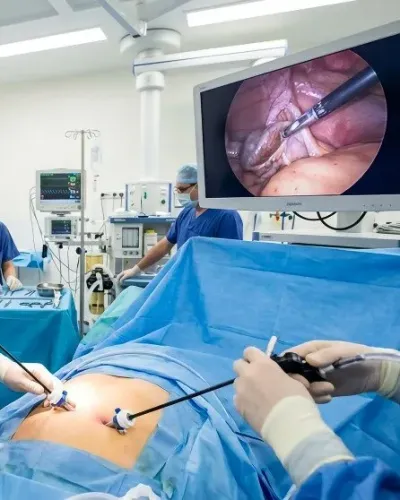
3. The surgeon reaches the uterus through the selected route: an abdominal incision, the vagina, or small laparoscopic or robotic-assisted abdominal incisions. The uterus is separated from its supporting tissues and blood vessels, removed, and the vaginal cuff or abdominal incisions are closed.
4. A planned vaginal or minimally invasive procedure can become an abdominal operation if heavy bleeding, dense adhesions, difficult anatomy or cancer-related findings make that the safer choice. This possibility is part of the discussion before uterus removal surgery in Thane.
The removed tissue is sent for histopathological examination because its appearance during surgery cannot replace microscopic analysis. In recovery, staff check your breathing, pain, bleeding, blood pressure, urine output and alertness before deciding whether you return to the ward or go home.
Which hysterectomy type and surgical route will you have
A total hysterectomy removes the uterus and cervix; a subtotal, or supracervical, hysterectomy removes the main body of the uterus but leaves the cervix, so cervical screening usually continues.
| Option | What is removed or where incisions are | Important consequence |
|---|---|---|
| Total hysterectomy | Uterus and cervix | Periods stop; pregnancy is no longer possible |
| Subtotal or supracervical hysterectomy | Uterus, with the cervix left in place | Cervical screening usually continues |
| Radical hysterectomy | Uterus, cervix, surrounding tissues and usually the upper vagina | Used for selected cancers |
| Abdominal route | One larger incision on the abdomen | More tissue disruption and a longer recovery than minimally invasive routes |
| Vaginal route | The uterus is removed through the vagina, with no abdominal incision | Often suitable for benign disease when access is safe |
| Laparoscopic route | Several small abdominal incisions for a camera and instruments | Usually faster recovery than open surgery |
| Robotic-assisted route | Several small abdominal incisions for robotic instruments controlled by the surgeon | Availability and anatomy affect whether it is appropriate |
Removing the fallopian tubes or ovaries is a separate decision. Bilateral salpingectomy removes both tubes, while oophorectomy removes an ovary. Removing both ovaries causes immediate surgical menopause, which can bring hot flushes, sleep disturbance and vaginal dryness, and may lead to a discussion about hormone therapy.
Keeping the ovaries usually preserves hormone production before natural menopause, although ovarian function can decline earlier after surgery. Uterine size, adhesions, previous operations, suspected cancer and surgical access determine the safest route. Ask a hysterectomy doctor in Thane to record the planned route and the status of the cervix, tubes and ovaries in writing.
What recovery, restrictions and warning signs should you expect
Recovery after discharge is measured in weeks, not days, and depends mainly on the surgical route.
1. After abdominal hysterectomy, plan for about 6–8 weeks before full recovery. Laparoscopic or vaginal hysterectomy commonly takes about 3–4 weeks. Walk regularly as advised to reduce blood-clot risk, increase activity gradually, and avoid heavy lifting until your surgical team permits it.
2. Do not have vaginal intercourse, use tampons or place anything in the vagina until internal healing is complete, often around 6 weeks. Light bleeding or discharge can occur while the vaginal cuff heals.
Seek prompt medical assessment for heavy bleeding, foul-smelling discharge, fever, worsening abdominal pain, wound redness, difficulty urinating, one-sided leg swelling, chest pain or breathlessness.
3. Before consent, discuss bleeding or transfusion, infection, bladder, ureter or bowel injury, anaesthetic problems, blood clots, wound complications, urinary difficulties and vaginal-cuff problems. A planned laparoscopic or vaginal operation can require conversion to abdominal surgery if bleeding, adhesions, anatomy or cancer-related findings make that safer.
Menstruation stops permanently, and pregnancy is no longer possible after the uterus is removed. If the cervix remains, or you have had high-grade cervical precancer or cervical cancer, confirm your future cervical-screening plan; do not assume screening ends.
How to compare a surgeon and hospital before consenting
The right uterus surgery hospital in Thane should explain why surgery fits your diagnosis and why the proposed route is safer than vaginal, laparoscopic, robotic-assisted or abdominal alternatives. Ask how often the surgeon performs each route, not only how long they have been practising.
| Route | Access | Comparison question |
|---|---|---|
| Vaginal | Through the vagina | Is this feasible and safest for my anatomy? |
| Laparoscopic | Several small abdominal incisions | Will adhesions, uterine size or previous operations affect access? |
| Robotic-assisted | Small abdominal incisions with robotic instruments | What benefit does this add in my case? |
| Abdominal | One larger abdominal incision | What finding makes an open operation safer? |
Request a written operative plan covering removal of the cervix, fallopian tubes, ovaries, endometriosis-related tissue and suspected cancer-related tissue. Confirm whether the plan changes if cancer is found.
Ask these questions before signing consent:
- How are histopathology results delivered, and who explains them?
- What happens if bleeding requires conversion to open surgery or a blood transfusion?
- Who provides anaesthesia?
- Does the hospital have emergency surgery, a blood bank and postoperative monitoring?
- How long is the expected stay?
- Which medicines will you take after discharge?
- What is the follow-up date, activity restriction and warning-symptom telephone number?
A consultation with Dr. Mrs. Pradnya J. Gavali - Gynaecologist can help match hysterectomy treatment in Thane to your diagnosis, fertility plans, ovarian-cancer risk and medical history. Compare documented planning and follow-up, not location alone.
Related services
Uterus Removal Surgery also known as a hysterectomy, is a surgical procedure recommended for women with conditions such as large fibroids, severe endometriosis, abnormal... View service → |
Fibroids Treatment Uterine fibroids are non-cancerous growths that develop in or around the uterus and can cause heavy menstrual bleeding, pelvic pain, frequent... View service → |
Frequently asked questions
How is the decision for hysterectomy confirmed?
Your surgeon reviews the diagnosis, symptom severity, fertility wishes and alternatives, then checks whether symptoms come from the uterus, ovaries, bladder or bowel.
What happens from hospital admission through the operation?
The process includes admission checks, consent, anaesthesia preparation, surgery, recovery-room monitoring and instructions before discharge.
Which hysterectomy type and surgical route might be used?
The operation may remove the uterus alone or include the cervix, tubes or ovaries. The route may be vaginal, laparoscopic or abdominal, based on your condition and surgical assessment.
What recovery restrictions and warning signs should you expect?
Expect written limits on lifting, driving, exercise and sex, plus follow-up planning. Contact your care team for heavy bleeding, fever, worsening pain, wound problems or breathing difficulty.
How should you compare a hysterectomy doctor and hospital in Thane?
Ask about the surgeon’s experience with your proposed route, the hospital’s emergency and anaesthesia support, expected admission length, total costs and follow-up arrangements.
Keywords