A positive HPV result can be alarming, but it does not by itself mean cancer, a recent infection, or infidelity. You will be able to distinguish the result from an abnormal Pap test, decide whether vaccination could still help, and organise the follow-up and vaccination steps that apply to your situation.
Key takeaways
- A positive HPV result is not a cancer diagnosis or proof of recent transmission.
- Vaccination can still protect against HPV types you have not encountered.
- Follow your clinician’s schedule for repeat testing, colposcopy, or treatment.
- Use condoms, avoid smoking, and attend every recommended cervical screening appointment.
What does a positive HPV result actually mean?
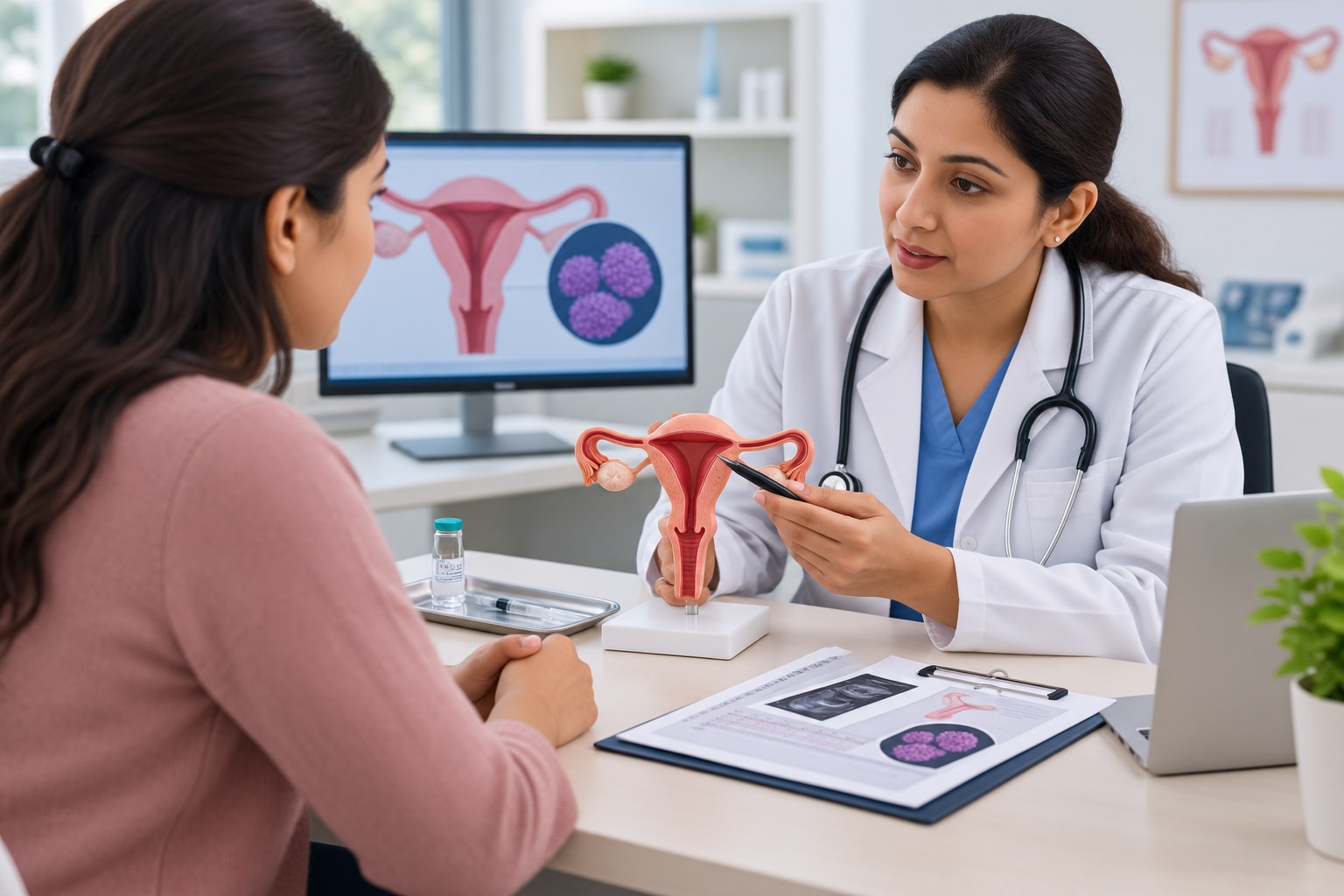
A positive high-risk HPV result means the test detected high-risk human papillomavirus in cervical cells. It is not a cancer diagnosis, and it does not prove when the infection began, recent sexual contact, infidelity, or anything about a partner’s behaviour. HPV is common, including among people with one long-term partner.
| Finding | What it means | What it does not mean |
|---|---|---|
| Positive high-risk HPV test | High-risk HPV was detected in cervical cells | It does not by itself mean cancer or precancer |
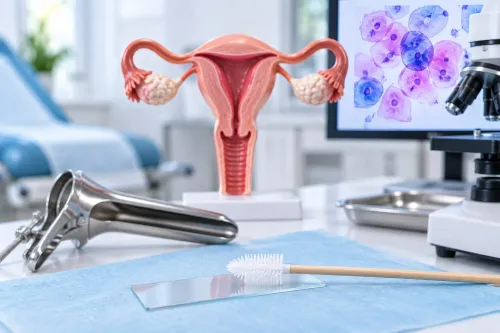
| Abnormal Pap smear | The cervical cells show changes under a microscope | It does not automatically identify the cause or confirm precancer |
| Cervical precancer | A separate diagnosis based on further assessment, often colposcopy and biopsy | It is not interchangeable with a positive HPV test |
Many newly acquired HPV infections become undetectable within 1–2 years as the immune system controls them. Persistent HPV infection, rather than one positive result, raises concern for cervical precancer. Your result needs interpretation alongside the Pap cytology report and your previous screening history.
Ask for three specific details:
- Which HPV type was detected?
- Was the result positive for HPV 16 or HPV 18?
- What exactly does the cytology report say?
Do not treat a positive HPV result as proof of cancer or as evidence about your relationship. Arrange the recommended follow-up even if you feel well.
Can you still benefit from HPV vaccination after testing positive?
Yes, a positive HPV test generally does not prevent vaccination. The HPV vaccine is preventive, not therapeutic: it will not clear the HPV type already present, treat genital warts, or reverse an abnormal Pap or cervical-cell result.
It can still protect against vaccine-covered types you have not acquired, and you do not need an HPV test before vaccination.
1. If you are 26 or younger and were not adequately vaccinated, ask about routine catch-up vaccination. If you are 27–45, decide with a clinician: previous exposure lowers the average benefit, but vaccination can still help if a future new sexual partner could bring a new HPV infection.
2. Use the schedule that fits your start age and health. Starting before age 15 usually requires two doses at least five months apart. Starting at 15 or older, or having immune suppression, usually requires three doses at 0, 1–2, and 6 months.
3. Bring your previous dose record and disclose your sexual history, medical history, immune status, medicines, and pregnancy status. Local Indian product or programme guidance can affect the plan, so do not assume one schedule fits every adult woman.
Vaccination does not replace follow-up for a positive result or cervical screening. Ask which vaccine-covered types you have not acquired; an HPV vaccine for women in Thane should be chosen through this review, not as treatment for the current infection.
What follow-up is needed after a positive HPV result?
Vaccination never replaces cervical screening or follow-up. Your next step depends on the HPV genotype, Pap cytology result, age, previous screening results, prior treatment for cervical precancer, and calculated risk. Some people need repeat HPV testing or a Pap test; others need colposcopy and, when indicated, a biopsy.
| Finding | Possible next step | Why timing can differ |
|---|---|---|
| HPV 16 or 18 | Earlier colposcopy may be advised | These types carry higher precancer risk |
| Abnormal cytology | Repeat testing or colposcopy | The cell changes alter calculated risk |
| Previous cervical precancer | Closer surveillance | Prior treatment changes follow-up risk |
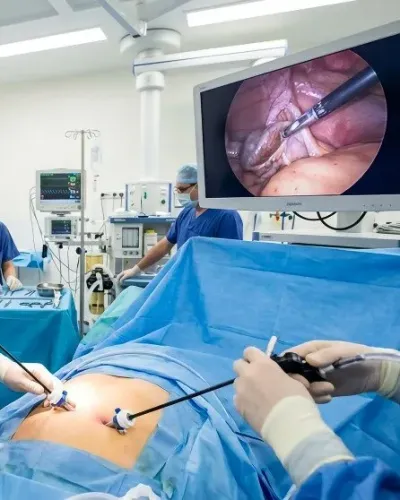
Colposcopy examines the cervix with magnification. During it, a clinician may take a small biopsy from an area that looks abnormal. Do not wait for pain, bleeding, or other symptoms; cervical precancer often causes none.
Obtain the written HPV and cytology report, then confirm the exact due date for your next test. Ask which HPV type was found and whether the recommendation is a retest, Pap test, colposcopy, or biopsy. If you are researching hpv prevention in thane, remember that vaccination supports prevention but does not manage an abnormal result.
- Complete every advised repeat test or colposcopy.
- Do not cancel follow-up after completing the vaccine series.
- Keep the report and appointment date with your medical records.
How should you plan a safe HPV vaccination appointment?
Choose an HPV vaccine doctor in Thane or HPV vaccination clinic in Thane that treats vaccination and positive-result follow-up as connected decisions, not separate transactions. Before booking HPV vaccination in Thane, compare providers using these questions:
| Check | Ask the provider | Why it matters |
|---|---|---|
| Prior records | Will you review my previous vaccine dates and doses? | Prevents an unnecessary or incorrect schedule. |
| Health review | Will you ask about pregnancy, immune suppression, severe allergies, and current medicines? | These details affect timing and safety. |
| Positive result | Will you review my HPV report and confirm the next Pap test, HPV test, or colposcopy? | Vaccination does not replace required follow-up. |
| Documentation | Will you record the vaccine name, dose number, date, lot number, and expiry date? | You can prove which dose you received later. |
| Future doses | What is my due date for the next dose? | A written plan helps you complete the series. |
Pregnancy means postponing remaining HPV vaccine doses. It does not mean terminating a pregnancy or taking special action after an inadvertent dose. You can receive the vaccine while breastfeeding, and a pregnancy test is not required before vaccination.
The main contraindication is anaphylaxis to a previous dose or vaccine component. Sit or lie down during vaccination and remain under observation for about 15 minutes because fainting can occur.
Dr. Mrs. Pradnya J. Gavali - Gynaecologist can discuss vaccination alongside the required HPV follow-up, but vaccination must not replace that follow-up.
Related service
HPV Vaccination HPV vaccination is an effective way to protect against the Human Papillomavirus (HPV), a common viral infection linked to cervical cancer, genital... View service → |
What else reduces HPV risk after vaccination?
Vaccination does not cover every HPV type or every cause of cervical cancer. Continue the cervical-screening schedule your clinician and local health system recommend, even after completing all vaccine doses. Screening finds changes that vaccination cannot prevent.
Condoms and dental dams reduce HPV transmission, but they cannot eliminate it because HPV can infect skin outside the covered area. Vaccination, screening, and barrier use address different risks. For practical hpv prevention in thane, use all three where appropriate.
A future partner can also bring a new HPV exposure after an earlier infection becomes undetectable.
Keep these actions on your checklist:
- Keep the written positive-HPV report, including the detected type and cytology result.
- Complete the recommended repeat HPV test, Pap test, or colposcopy; do not wait for symptoms.
- Ask which vaccine-covered HPV types you have not acquired and could still be protected against.
- Retain your dose record with the vaccine name, dose number, date, lot number, and expiry date; this helps when arranging hpv vaccination in thane or elsewhere.
- Do not interpret vaccination as treatment for the current infection. It does not clear that HPV type, treat genital warts, or reverse abnormal cervical cells.
A new positive result after vaccination does not automatically mean the vaccine failed; it can reflect a type the vaccine does not cover or an infection acquired before vaccination.
Frequently asked questions
Does a positive high-risk HPV result mean I have cancer?
No. It means high-risk HPV was detected in cervical cells. Follow-up testing determines whether cell changes need monitoring or treatment.
Can I get the HPV vaccine after testing positive?
Yes. The vaccine does not clear an existing infection, but it can protect against HPV types you have not yet encountered.
What follow-up is needed after a positive HPV result?
Your follow-up depends on the HPV type, cervical cytology result, age, and previous screening history. It may include repeat testing or colposcopy.
How can I prepare for an HPV vaccination appointment?
Bring your test report and vaccination history, tell the clinician about pregnancy or allergies, and ask which vaccine schedule applies to you.
What reduces HPV risk after vaccination?
Use condoms, avoid smoking, limit new sexual exposures, and continue cervical screening because vaccination does not prevent every cancer-causing HPV type.
Keywords