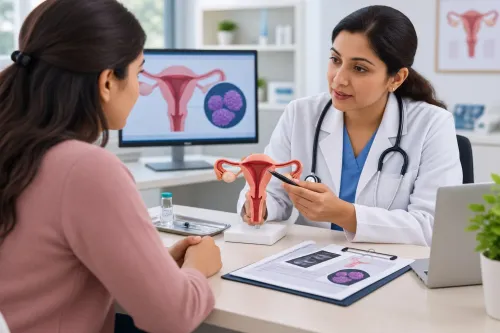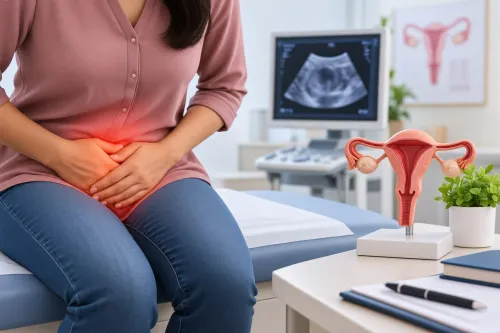
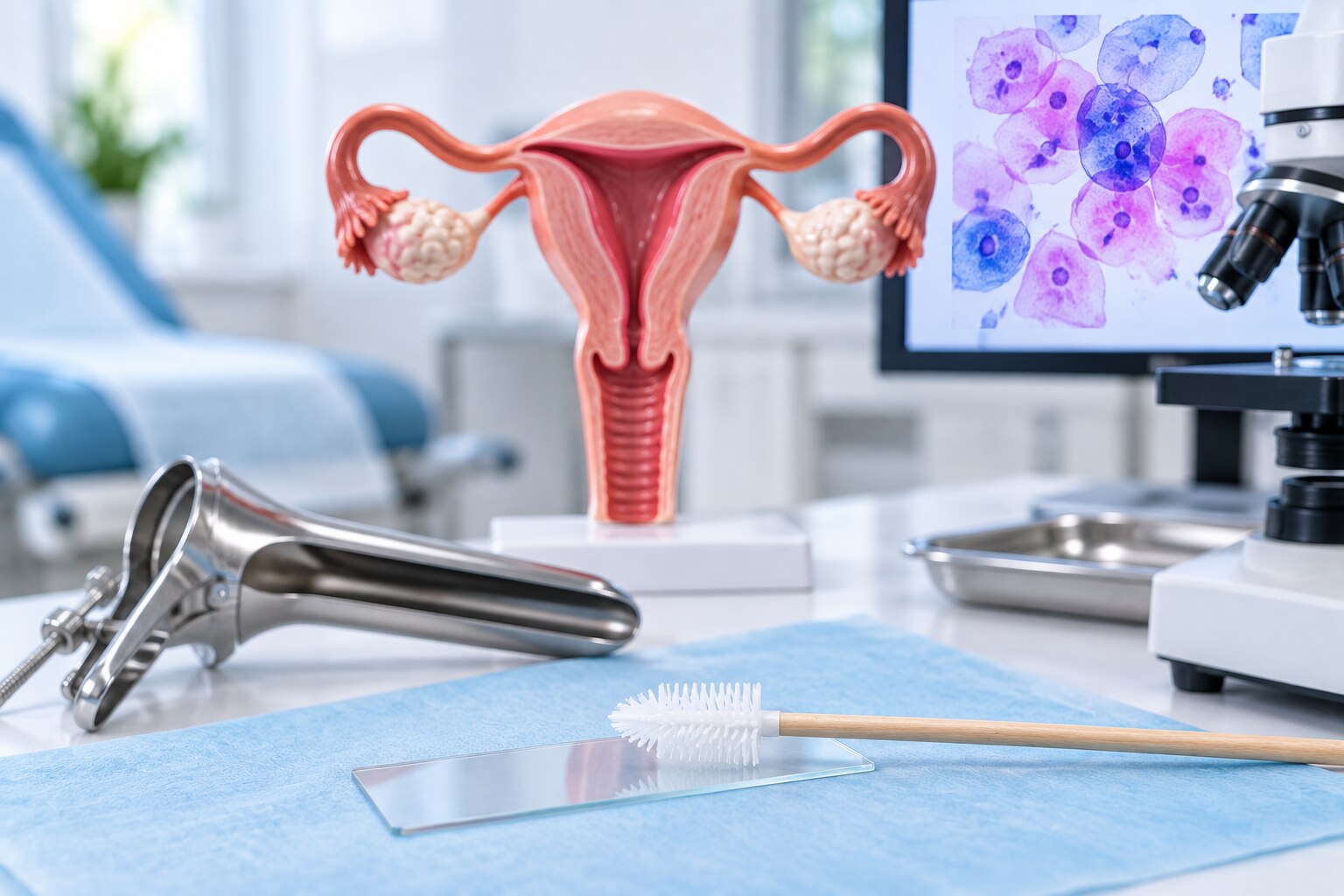
Choosing a screening appointment involves more than searching for a nearby clinic: you need to know whether it offers a Pap test, a high-risk HPV test, or both, and whether the interval fits your age and medical history. By the end, you will know how to prepare, what sensations to expect, when symptoms require faster assessment, and what follow-up questions to ask before booking.
Key takeaways
- Start routine screening at 21, regardless of HPV vaccination status.
- Have cytology every three years from ages 21 to 29.
- Ask which test is offered: Pap, HPV, or co-testing.
- Seek examination now for unusual bleeding, pain, or abnormal discharge.
Who needs cervical screening, and when should it be repeated?
For average-risk people, routine cervical screening usually starts at age 21, regardless of HPV vaccination status. From 21 to 29, have cytology (Pap testing) every three years.
From age 30 to 65, accepted schedules include:
- Cytology every three years
- Primary high-risk HPV testing every five years
- Co-testing with cytology and high-risk HPV testing every five years, where that schedule is used
A clinician providing cervical cancer screening in Thane may follow Indian or international guidance, so confirm the exact test and interval. WHO prioritises high-performance HPV testing where it is available.
A positive HPV result does not mean cancer. Your age, previous HPV results, combined test results, and follow-up history determine whether you need repeat testing, cytology triage, or colposcopy.
CIN2, CIN3, adenocarcinoma in situ, cervical cancer, or treatment for precancer can require closer or extended surveillance, including beyond age 65. Age 65 alone does not justify stopping; stopping applies only after adequate negative screening in an average-risk person without high-grade precancer or cancer history.
Routine screening generally ends after a total hysterectomy that removed the cervix for a non-cancerous reason, without such a history. A supracervical hysterectomy leaves the cervix, so screening continues. HPV vaccination lowers risk but does not replace screening.
Pap test, HPV test, or co-testing: which appointment are you booking?
A Pap smear in Thane is not automatically the same as every cervical screening appointment. Ask whether the service collects cervical cytology, tests for high-risk HPV, or does both. A Pap test examines cervical cells for abnormalities; an HPV test detects oncogenic HPV infection. They are related, but not interchangeable.
| Option | What the sample tests | What a result guides |
|---|---|---|
| Pap test | Abnormal cervical cells | Cytology follow-up or further assessment |
| Primary high-risk HPV test | Oncogenic HPV infection | Repeat testing, cytology triage, or colposcopy |
| Co-testing | Cervical cells and high-risk HPV together | Risk assessment using both results |
A positive HPV result does not mean cancer. HPV is common, and follow-up depends on your age, the combined results, and previous reports; it may involve repeat testing, cytology triage, or colposcopy. Screening estimates risk from a cervical sample. Colposcopy examines the cervix under magnification, while a biopsy removes tissue for a diagnosis.
WHO prioritises high-performance HPV testing as the preferred primary screening test where it is available, followed by appropriate triage and treatment. A clinic advertising only a Pap smear may therefore offer a different pathway from one offering primary HPV testing or co-testing.
Ask which test is included, which guideline sets the interval, and who arranges colposcopy if the result is abnormal.
What happens during a Pap smear, and how can you make it more comfortable?
Allow about 10–20 minutes for the appointment, although the examination itself is brief. After consent, you change from the waist down and lie on the examination bed with your knees bent and supported.
The clinician gently inserts a lubricated speculum, opens it to see the cervix, collects cells with a brush or spatula, then places the sample in a preservation vial or another laboratory container.
You may feel pressure, coolness, stretching, or a short cramp. Sharp or persistent pain is not something to endure; report it immediately. Before booking a pap test near me appointment, follow the clinic’s specified preparation period: avoid vaginal sex, douching, tampons, and vaginal medicines.
Book when you are not menstruating if possible, because blood can interfere with collection or interpretation.
Make the examination more comfortable by asking for:
- A smaller speculum if insertion feels difficult or painful.
- Slower insertion, with pauses whenever you need them.
- Time to relax your pelvic-floor muscles rather than tightening them.
- A reminder to breathe out during insertion.
- An explanation before each step.
Tell the clinician about previous painful examinations, pelvic conditions such as endometriosis or vaginismus, trauma, or anxiety. You can ask to stop at any point and agree on a signal before the examination begins.
When should you postpone screening, and when should you seek an examination now?
Postpone routine sample collection if you have heavy menstrual bleeding, an active vaginal infection, marked inflammation, or recently used vaginal medicines, creams, tampons, or douches.
Blood and discharge can cover cervical cells, while inflammation or infection can make the laboratory unable to interpret the sample; the clinic may reschedule collection after treatment or once bleeding stops.
An “unsatisfactory” result is not a reassuring negative result. Blood, inflammation, infection, or too few cervical cells can cause it, and you must repeat testing according to the clinician’s instructions rather than treating the report as a normal screen.
Do not wait for routine cervical cancer screening in Thane when symptoms need diagnostic examination. Arrange prompt clinical assessment for:
- Bleeding after sex
- Bleeding between periods
- Any bleeding after menopause
- Watery, bloody, or foul-smelling vaginal discharge
- Pelvic pain
- A visible lesion, sore, growth, or unusual area on the cervix
Pregnancy does not automatically prevent screening when you are due. Tell the clinician about the pregnancy before collection because management changes if the result is abnormal: colposcopy can be performed when indicated, while endocervical curettage and procedures that could affect the pregnancy are generally avoided unless cancer is suspected.
Symptoms still require examination during pregnancy; do not label unexplained bleeding or discharge as a screening issue.
How to choose a cervical screening doctor in Thane and plan follow-up
Choose a cervical screening doctor in Thane by checking the entire results pathway, not only the sample-collection appointment. A clinic answering “pap test near me” should explain which test it provides, which guideline and interval it follows, and how your previous reports or cervical treatment change the plan.
| Test | What it examines | Follow-up route |
|---|---|---|
| Pap cytology | Cervical cells for abnormalities | Repeat testing, colposcopy, or treatment based on the result |
| Primary high-risk HPV | Oncogenic HPV infection | Repeat testing, cytology triage, or colposcopy |
| Co-testing | HPV and cervical cells together | Risk assessment using both results and prior history |
Ask these questions before booking:
- Does the laboratory label the result adequate or unsatisfactory? An unsatisfactory sample is not a reassuring negative result.
- Who reviews abnormal cytology or a positive HPV result, and when will the report be released?
- What happens after a positive HPV result: repeat testing, cytology triage, or colposcopy?
- Is colposcopy available at the clinic, or will the doctor arrange referral?
- Will you review earlier reports, CIN2 or CIN3 treatment, cervical surgery, pregnancy, or post-treatment surveillance?
A complete service includes documented results and follow-up. Dr. Mrs. Pradnya J. Gavali - Gynaecologist in Thane can help match the test and appointment type to your symptoms, pregnancy status, prior history, or surveillance needs before collection.
Related service
PAP smear and Cervical Cancer Screening PAP smear and Cervical Cancer Screening A Pap smear and cervical cancer screening are essential preventive tests that help detect abnormal cervical cell changes before they develop into... View service → |
Frequently asked questions
Who needs cervical screening, and when should it be repeated?
Average-risk people usually start at age 21, regardless of HPV vaccination status. From ages 21 to 29, have cytology, or a Pap test, every three years. Your doctor may recommend a different plan after abnormal results, previous cervical disease, immune suppression, or other higher-risk factors.
What is the difference between a Pap test, HPV test, and co-testing?
A Pap test examines cervical cells for changes. An HPV test looks for high-risk human papillomavirus types. Co-testing uses both tests during the same appointment. Ask which option fits your age, medical history, and local screening protocol.
What happens during a Pap smear, and how can you make it more comfortable?
You undress from the waist down, lie on an examination table, and place your feet in supports. The clinician gently inserts a speculum, views the cervix, and collects cells with a small brush. Book when you are not menstruating, empty your bladder, and tell the clinician if you are anxious or expect discomfort.
When should you postpone cervical screening or seek an examination now?
Postpone a routine Pap test during heavy menstrual bleeding and ask the clinic when to reschedule. Do not wait for screening if you have bleeding after sex, bleeding between periods or after menopause, persistent pelvic pain, or unusual watery, bloody, or foul-smelling discharge.
How do you choose a cervical screening doctor in Thane and plan follow-up?
Choose a clinician who explains the test used, collects a complete history, provides a written result, and tells you the next step and date. Ask how abnormal results are reviewed and whether colposcopy or other follow-up is arranged when needed.
Keywords