Fibroids do not automatically need treatment, but worsening bleeding, anaemia, sudden pain, or disruption to daily life deserves more than watchful waiting. You will learn which symptoms need urgent care, how location and pregnancy plans affect decisions, and what to ask for during assessment and treatment planning.
Key takeaways
- Seek assessment when symptoms disrupt sleep, work, exercise, sex, or daily activities.
- Fibroid location, size, number, and life stage shape treatment decisions.
- Track bleeding, pain, pressure, medicines, and daily limitations between reviews.
- Compare monitoring, medicines, minimally invasive procedures, and surgery against your goals.
When fibroid symptoms need medical assessment
Arrange a medical appointment when fibroid symptoms persist, worsen, or interfere with work, sleep, exercise, sex, or routine activities. Treatment becomes worth discussing when heavy bleeding, pelvic pain, pressure, iron-deficiency anaemia, fertility concerns, or reduced daily functioning outweigh the effort and risks of treatment—not simply because an ultrasound shows a fibroid.
Seek urgent assessment rather than waiting for a routine appointment if you have:
- Bleeding that soaks a pad or tampon every hour for two or more hours
- Dizziness, fainting, marked weakness, or confusion with bleeding
- Breathlessness or chest pain
- Sudden severe pelvic or abdominal pain
- Fever with pelvic pain or abnormal discharge
- Inability to pass urine
- Pregnancy-related concerns, including bleeding or pain after a positive pregnancy test
Sudden severe pain can occur when a fibroid degenerates or twists, but ovarian torsion, ectopic pregnancy, infection, and other emergencies can cause similar symptoms. Do not assume the pain is “only fibroids.”
If symptoms are manageable but recurring, book an assessment and discuss the pattern, haemoglobin, fibroid location, pregnancy plans, and alternatives to treatment. People seeking help for uterine fibroid problems in Thane should ask what explains the symptoms and what happens if they continue watching rather than treating.
Why fibroid location and life stage change the treatment decision
A small fibroid can deserve treatment when it distorts the uterine cavity, causes heavy bleeding, or contributes to implantation problems. A much larger fibroid can be monitored if it sits on the outer wall and causes no bleeding, pain, pressure, anaemia, or fertility concern.
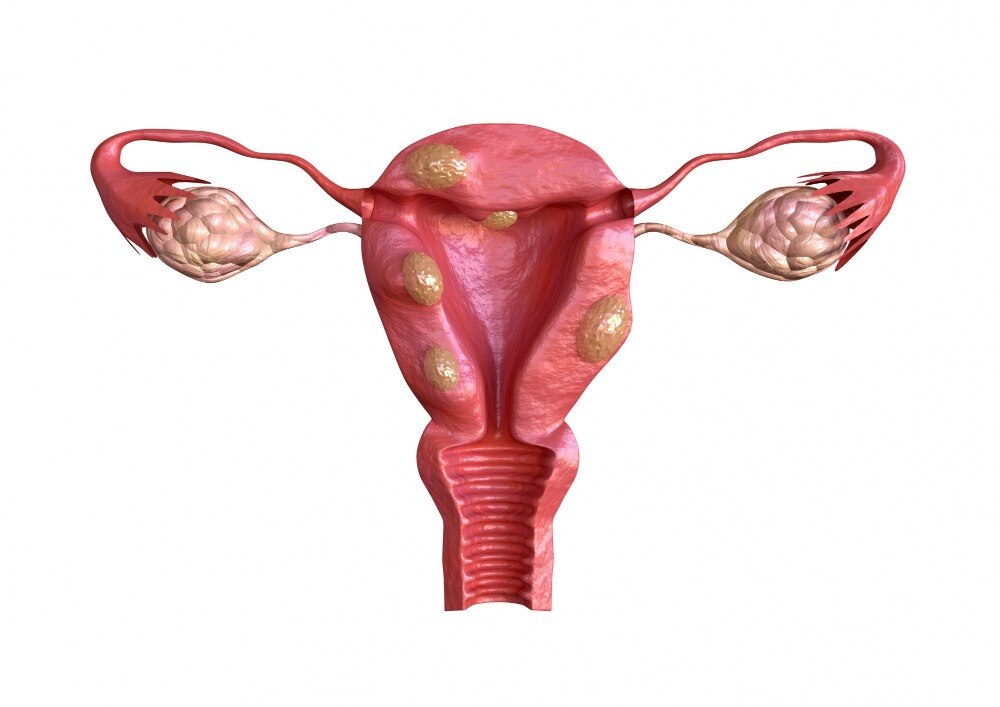
| Location | Typical effect | Why size does not decide alone |
|---|---|---|
| Submucosal | Projects into the uterine cavity | Strongly linked with heavy bleeding and implantation problems; a small one may warrant hysteroscopic treatment |
| Intramural | Grows within the uterine muscle | Symptoms depend on depth, number, growth, and whether it enlarges or distorts the cavity |
| Subserosal | Grows from the outer uterine surface | Can become large while causing few symptoms; treatment matters when it creates pressure, pain, or organ symptoms |
The decision also weighs bleeding duration and worsening pattern, iron-deficiency anaemia, the number of fibroids, growth on scans, age, and proximity to menopause. Stable symptoms near menopause may support monitoring, while persistent flooding, falling haemoglobin, or rapid growth makes treatment more worthwhile.
Pregnancy plans change the choice because some procedures affect fertility or pregnancy safety. Pregnancy itself does not automatically require treatment; many pregnancies remain uncomplicated, although pain, malpresentation, preterm birth, or placental problems can occur. Elective fibroid surgery is usually avoided during pregnancy unless an exceptional indication exists.
Anyone comparing fibroid treatment options in Thane should ask how location, cavity distortion, haemoglobin, age, and pregnancy plans alter the recommendation.
What a proper fibroid assessment includes
A proper assessment links your symptoms to the fibroid’s location and checks for other causes before treatment is justified. A scan alone does not prove that a fibroid caused your bleeding or pain.
- Keep a menstrual record: note bleeding days, flooding, clot size, pad or tampon changes, pain severity, and missed work or activities. Record bleeding between periods or after sex.
- The clinician performs a pelvic examination when appropriate, checks for tenderness or an enlarged uterus, and orders a pregnancy test when pregnancy is possible.
- A complete blood count measures haemoglobin and detects anaemia. Ask for ferritin and other iron studies when iron deficiency is suspected or the blood count is abnormal.
- Pelvic ultrasound is usually the first imaging test. It shows fibroid number, size, position, and whether the uterine cavity is distorted.
- MRI is not routine for every initial assessment. It helps when ultrasound is unclear, fibroids are numerous or atypical, or detailed mapping is needed before myomectomy or uterine-artery embolisation.
The clinician compares the findings with patterns of adenomyosis, endometriosis, ovarian cysts, pelvic inflammatory disease, pregnancy-related problems, polyps, and other causes of abnormal uterine bleeding. Ask a fibroid doctor in Thane: Where is each fibroid? Does it distort the cavity? What is my haemoglobin and iron status? What alternative diagnosis has been excluded?
Monitoring versus active treatment: what to track between reviews
Watchful monitoring means keeping a symptom record and attending the review chosen by your clinician, not ignoring the fibroid. Follow-up timing is not a fixed interval: it depends on fibroid size and location, symptoms, age, scan findings, haemoglobin, pregnancy goals, and previous treatment.
Record:
- Bleeding days, pad or tampon changes, flooding, and clots
- Pain severity, duration, and whether it is worsening
- Urinary or bowel difficulty
- Fatigue, breathlessness, and missed work or activities
- Pregnancy-test results when relevant
Stable symptoms can support planned reassessment. Contact the clinician before that review for rapidly worsening bleeding, new severe pain, breathlessness, inability to urinate, or any pregnancy concern. These points matter when arranging care for uterine fibroid problems in Thane.
| Contact level | What to do | Examples |
|---|---|---|
| Earlier clinician contact | Call before the planned review | Worsening bleeding, new severe pelvic pain, breathlessness, inability to urinate, positive pregnancy test or pregnancy-related concern |
| Urgent assessment | Do not wait for a scan or routine appointment | Fainting, chest pain, severe weakness, or bleeding that soaks a pad or tampon every hour for two or more hours |
Sudden severe pain can result from fibroid degeneration or torsion, but appendicitis, ovarian emergencies, infection, and pregnancy complications also need exclusion. Go urgently rather than self-monitoring when symptoms feel emergency-level.
Which treatments are worth comparing for your goals
Compare treatments by the problem you need to solve: bleeding, pain, pressure, anaemia, fertility, or a desire for a permanent result.
| Option | What it does | Main trade-off |
|---|---|---|
| Levonorgestrel-releasing intrauterine system | Often first choice for heavy bleeding when fibroids are under 3 cm and do not distort the uterine cavity | Controls bleeding but does not remove the fibroid |
| Tranexamic acid, NSAIDs, combined hormonal contraception, or cyclical oral progestogens | Reduce bleeding and, for NSAIDs, period pain when suitable | Medicines may not control pressure from larger fibroids or make them disappear |
| GnRH medicines | Temporarily shrink fibroids and reduce bleeding, sometimes before surgery | Menopausal-type effects and bone-loss concerns limit use; fibroids may regrow after stopping |
| Hysteroscopic removal | Removes a suitable submucosal fibroid through the vagina and cervix | Applies only when the fibroid projects into the cavity |
| Myomectomy | Removes fibroids while preserving the uterus | New fibroids can develop, and some operations are major surgery |
| Uterine-artery embolisation | Reduces blood flow to shrink fibroids without removing the uterus | Future pregnancy outcomes are less certain than with established fertility-preserving options |
| Hysterectomy | Removes the uterus and provides definitive treatment | Ends the ability to become pregnant |
Medicines often manage bleeding or pain without removing larger fibroids. Your comparison should include fibroid location and number, haemoglobin, anaemia treatment, age, and pregnancy plans.
For fibroid treatment in Thane, Dr. Mrs. Pradnya J. Gavali - Gynaecologist can help weigh confirmed findings, alternatives, fertility consequences, and procedural risks. Ask a fibroid specialist in Thane to explain why the proposed option fits your goals, especially when comparing fibroid treatment options in Thane.
Related service
Fibroids Treatment Uterine fibroids are non-cancerous growths that develop in or around the uterus and can cause heavy menstrual bleeding, pelvic pain, frequent... View service → |
Frequently asked questions
When do fibroid symptoms need medical assessment?
Arrange an appointment when symptoms persist, worsen, or interfere with work, sleep, exercise, sex, or routine activities. Seek assessment for heavy bleeding, pelvic pain or pressure, iron-deficiency anaemia, fertility concerns, or reduced daily functioning.
Why do fibroid location and life stage affect treatment?
A fibroid inside the uterine cavity can cause heavy bleeding, while one in the uterine wall or on the outer surface can cause different symptoms. Your age, plans for pregnancy, symptom severity, fibroid growth, and proximity to menopause also affect the decision.
What does a proper fibroid assessment include?
Assessment includes your bleeding pattern, pain, pressure symptoms, fertility plans, medical history, medicines, and impact on daily life. A clinician may review a pelvic examination, ultrasound findings, a complete blood count, and iron studies when anaemia is suspected.
What should you track while monitoring fibroids?
Record bleeding days, flooding or clots, pain severity, pelvic pressure, urinary or bowel changes, fatigue, medicines taken, and missed activities. Bring the record and any scan reports to each review.
Which fibroid treatments are worth comparing?
Compare observation, medicines for bleeding or pain, procedures that remove or shrink fibroids, and surgery. The right choice depends on symptom burden, fibroid location, anaemia, fertility plans, recovery time, and your treatment priorities.
Keywords