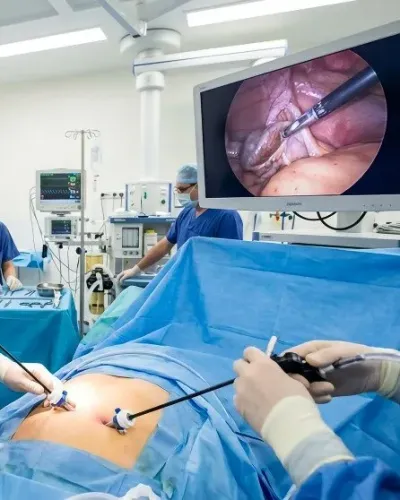
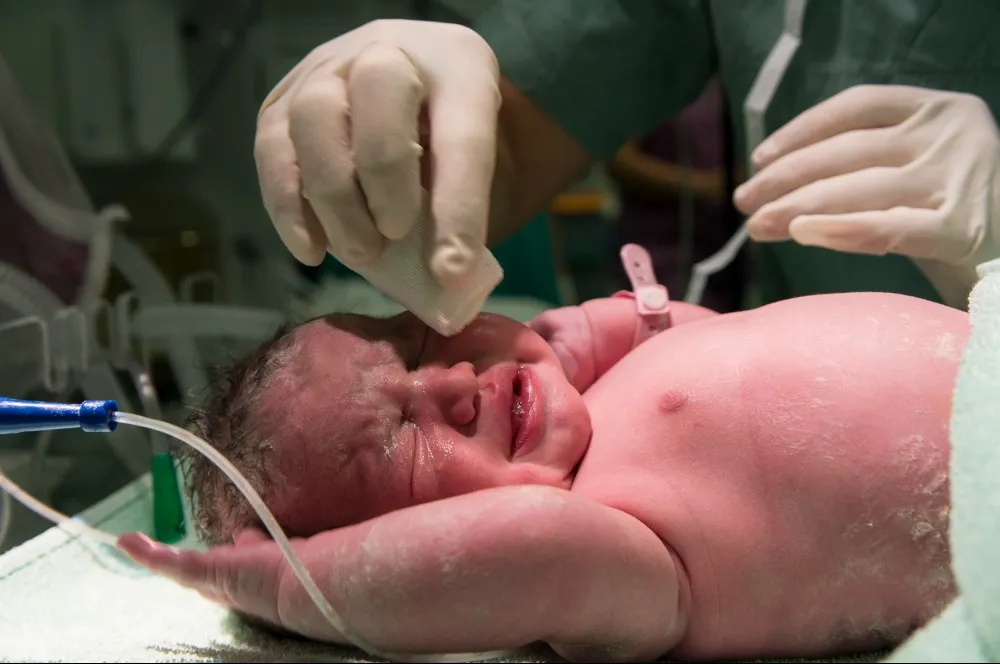
A cesarean section, commonly known as a C-section, is a surgical procedure used to deliver a baby when a normal vaginal delivery may not be the safest option. While many women plan for a normal delivery, certain pregnancy conditions require a cesarean section to protect the health of both the mother and the baby. Understanding the procedure and the recovery process can help expectant mothers in Thane, Maharashtra, feel more prepared and confident.
When Is a C-Section Recommended?
A gynecologist may recommend a cesarean delivery in situations such as:
- Fetal distress during labour
- Placenta previa
- Breech or transverse baby position
- Previous multiple C-sections
- Failure of labour to progress
- Twin or multiple pregnancy in specific cases
- Certain maternal medical conditions such as severe hypertension
The decision is always based on what is safest for both mother and baby.
Preparing for a Cesarean Section
Before surgery, your healthcare team will explain the procedure, possible risks, and recovery expectations. You may undergo:
- Blood tests
- Routine health assessment
- Fetal monitoring
- Review of medical history
- Anaesthesia evaluation
Following your doctor's instructions regarding food, medications, and hospital admission helps ensure a smooth procedure.
What Happens During the Surgery?
A C-section is usually performed under spinal or epidural anaesthesia, allowing the mother to remain awake while avoiding pain. The baby is delivered through an incision in the abdomen and uterus, after which the surgical site is carefully closed.
The procedure generally takes less than an hour, although the actual delivery of the baby usually occurs within the first few minutes.
Recovery After a C-Section
Recovery takes longer than after a normal delivery, but most women recover well with proper care. Helpful recovery tips include:
- Take medications exactly as prescribed.
- Keep the surgical wound clean and dry.
- Avoid lifting heavy objects for several weeks.
- Walk gently as advised to improve circulation.
- Eat a nutritious diet rich in protein and iron.
- Drink plenty of fluids.
- Attend all follow-up appointments.
Rest and family support are important during the recovery period.
Warning Signs That Need Medical Attention
Contact your doctor immediately if you experience:
- High fever
- Increasing wound pain or redness
- Pus or discharge from the incision
- Heavy vaginal bleeding
- Severe abdominal pain
- Difficulty breathing
- Pain or swelling in the legs
Early treatment can prevent complications and support faster healing.
Breastfeeding After a C-Section
Many mothers successfully breastfeed after a cesarean delivery. Finding a comfortable feeding position, staying hydrated, and seeking guidance if needed can make breastfeeding easier during the recovery period.
Choosing the Right Specialist
A successful C-section involves careful pregnancy monitoring, safe surgical care, and continued support after delivery. Choosing an experienced gynecologist ensures that every stage from planning the delivery to postnatal recovery is managed with attention to both maternal and newborn health.
Dr. Mrs. Pradnya J. Gavali – Gynaecologist provides personalized pregnancy and cesarean section care in Thane, helping mothers receive appropriate guidance before surgery and comprehensive support throughout recovery.
Is a C-section always planned?
No. Some cesarean deliveries are scheduled in advance, while others are performed as an emergency if complications arise during labour.
How long does recovery take?
Most women recover over several weeks, although complete healing may take longer depending on individual health and the nature of the surgery.
Can I have a normal delivery after a C-section?
In some cases, a vaginal birth after cesarean (VBAC) may be possible. Your gynecologist will assess your previous pregnancy history and current health before making a recommendation.
With proper medical care, a cesarean section can be a safe and effective delivery option, ensuring the well-being of both mother and baby when a surgical birth is the most appropriate choice.
Keywords