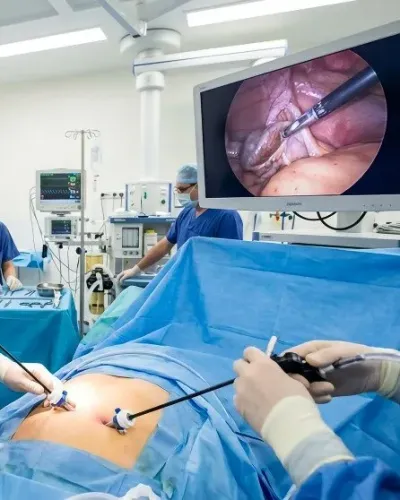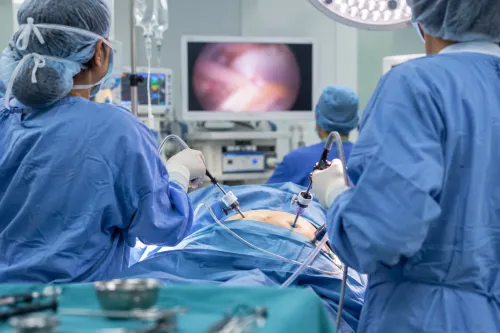
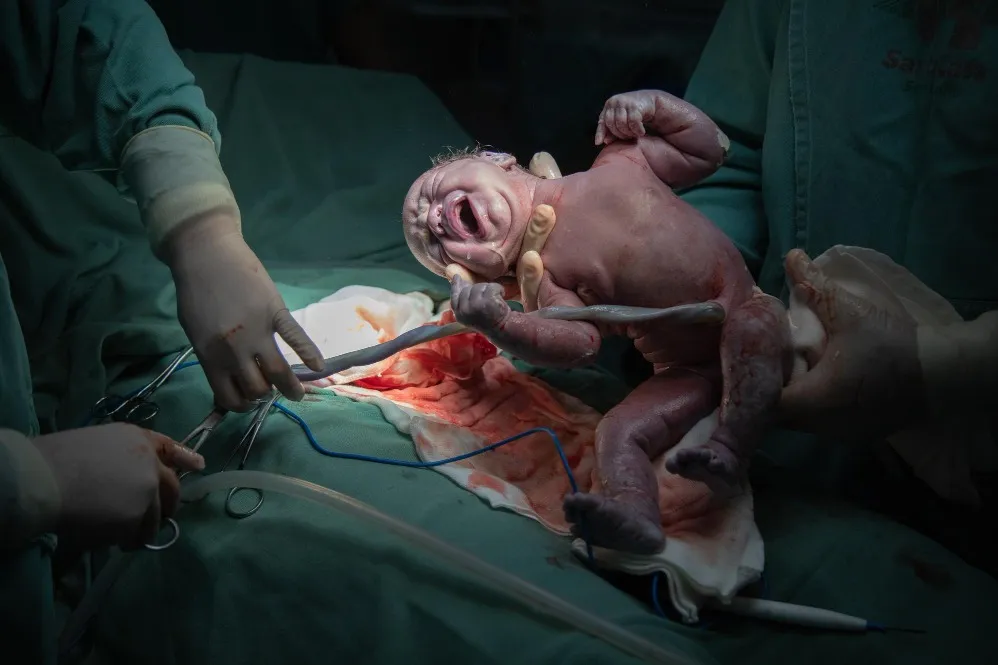
A Cesarean section is a surgical procedure used to deliver a baby through incisions in the abdomen and uterus. It may be planned before labour or recommended urgently when continuing labour or pregnancy presents a concern.
Women looking for Cesarean section care in Thane often want to know whether surgery is necessary, how it differs from vaginal birth, and what recovery involves. Understanding each stage can make the experience less uncertain.
When a C-Section May Be Considered
A Cesarean delivery may be recommended for reasons such as:
- Placenta covering the cervical opening
- Certain abnormal positions of the baby
- Foetal distress
- Labour that is not progressing adequately
- Umbilical cord complications
- Multiple pregnancy in selected circumstances
- A previous uterine operation
- Significant maternal health concerns
- Severe bleeding
- Disproportion affecting safe vaginal delivery
A previous C-section does not automatically determine the mode of every future delivery. Suitability for labour after a previous Cesarean requires individual assessment and access to appropriate emergency facilities.
Planned Surgery Compared With Emergency Surgery
A planned C-section is scheduled when the need for surgical delivery is identified beforehand. This allows time for preoperative investigations, anaesthesia review, fasting instructions, and discussion of the procedure.
An emergency C-section is performed when a concern develops during pregnancy or labour. The clinical team may need to act more quickly, although the reason for surgery should still be explained as clearly as circumstances allow.
The word emergency describes the urgency of the situation; it does not necessarily predict a poor outcome.
What to Expect After Delivery
After surgery, the mother’s blood pressure, bleeding, pain level, urine output, and incision are monitored. Early feeding and skin-to-skin contact may be supported when the mother and baby are clinically stable and the facility permits it.
Pain relief is important because uncontrolled pain can interfere with breathing deeply, walking, resting, and caring for the newborn.
Gentle movement is usually encouraged according to medical advice. Early mobilisation can support circulation and recovery, but strenuous activity and lifting should be avoided until cleared by the doctor.
Caring for the Incision at Home
The incision should be kept clean and observed for signs of infection. Medical advice is needed if there is:
- Increasing redness
- Worsening pain
- Swelling
- Pus or unpleasant-smelling discharge
- Separation of the wound edges
- Persistent fever
- Heavy vaginal bleeding
- Calf pain or swelling
- Chest pain or breathlessness
Women should also seek help for severe headache, vision changes, or markedly elevated blood pressure. Pregnancy-related hypertension can sometimes remain significant after childbirth.
Recovery Is More Than Wound Healing
Post-Cesarean care should also address bowel function, urination, breastfeeding, sleep, emotional well-being, and contraception.
Feelings of disappointment may occur when a planned vaginal birth changes to surgery. These emotions deserve acknowledgement. A postnatal discussion can help the mother understand why decisions were made and what they may mean for a future pregnancy.
Dr. Mrs. Pradnya J. Gavali provides assessment and follow-up for women requiring Cesarean section care in Thane, Maharashtra. The advice given after surgery should reflect the woman’s operative findings, medical history, and recovery.
Preparing for a Smoother Recovery
Before a planned procedure, families can organise practical support for meals, household work, transport, and newborn care. The mother should not feel pressured to resume every activity immediately after leaving the maternity facility.
A C-section is a major operation as well as a birth. Appropriate pain control, gradual activity, incision care, adequate nutrition, and timely follow-up are central to recovery. Women should follow their own discharge instructions rather than comparing recovery timelines with friends or online accounts.
Keywords