The best treatment is not determined by diameter alone: a small fibroid inside the uterine cavity can cause more bleeding or fertility difficulty than a larger fibroid on the outer uterine wall. By comparing size, location, symptoms, imaging findings, pregnancy plans and treatment trade-offs, you can prepare for a more informed discussion about observation, medication, procedures or surgery.
Key takeaways
- Size alone does not determine treatment; location, symptoms, fertility plans, and growth also matter.
- Medication controls bleeding or pain but does not remove fibroids.
- Ask whether myomectomy, uterine artery embolisation, or hysterectomy fits your goals.
- Bring scan reports, symptom dates, medicines, and pregnancy plans to your consultation.
How fibroid size and location change the treatment decision
A small fibroid is usually limited in diameter and uterine impact; a medium fibroid occupies a meaningful part of the uterine muscle; a large fibroid enlarges or distorts the uterus and may create pressure. These are practical descriptions, not fixed treatment thresholds. A small fibroid can need treatment sooner than a large one.
Location changes the decision:
| Location | What it does | Why it matters |
|---|---|---|
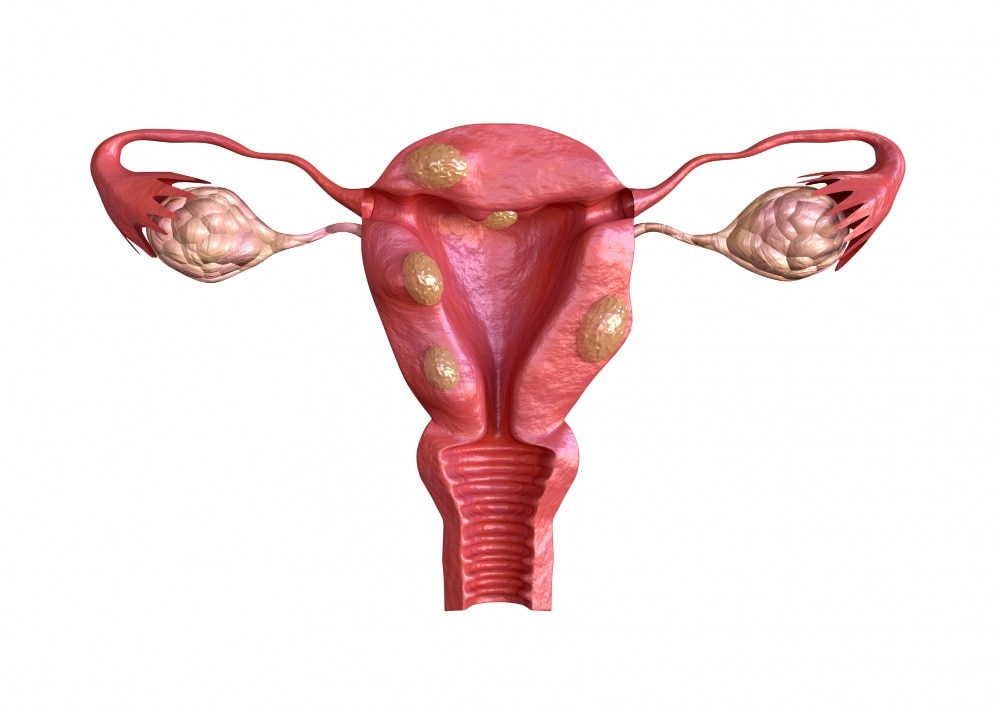
| Submucosal | Projects into the uterine cavity | May cause heavy bleeding or fertility problems |
| Intramural | Grows within the uterine muscle | May enlarge or distort the uterine wall |
| Subserosal | Projects towards the outer surface | May cause pressure on the bladder or bowel |
| Pedunculated | Attaches by a stalk | Symptoms depend on its position and stalk |
One small submucosal fibroid can cause severe bleeding, anaemia or difficulty conceiving, while a much larger outer-wall fibroid may produce few symptoms. Treatment planning also considers the number of fibroids, growth pattern, uterine distortion, symptom severity, anaemia, age and pregnancy plans.
The main paths are observation, medication for bleeding or pain, uterus-preserving treatment such as myomectomy or uterine-artery embolisation, and definitive surgery. Fibroid treatment options in Thane should therefore follow the fibroid’s behaviour and your goals, not its diameter alone.
When diagnosis and monitoring are enough—and when treatment is needed
1. Start with a pelvic examination, followed by a transvaginal ultrasound to confirm fibroids and assess their number, size and position. Add an abdominal ultrasound when the uterus is very large or its full outline is difficult to assess.
2. Use saline infusion sonography or hysteroscopy when ultrasound suggests that a fibroid distorts the uterine cavity, especially with heavy bleeding or fertility concerns. Arrange MRI when there are multiple, large or deeply positioned fibroids, or before myomectomy, uterine-artery embolisation or another complex procedure.
3. Observation is reasonable when fibroids cause no meaningful symptoms. Monitoring can include clinical review, a symptom and bleeding record, repeat ultrasound at an interval chosen from the baseline findings, and haemoglobin or iron testing when bleeding is heavy; this approach also supports safe fibroid treatment in Thane.
4. Move from observation to treatment for anaemia, painful or prolonged periods, persistent pelvic pain, pressure, urinary or bowel compression, rapid abdominal enlargement, fertility problems or substantial quality-of-life impact. Seek urgent assessment for rapidly soaking pads with dizziness or fainting, severe sudden pain, fever, inability to pass urine, or pregnancy with significant pain or bleeding.
What medication can control—and what it cannot remove
Medication can control bleeding or pain, but it generally does not permanently remove most fibroids. Tranexamic acid reduces menstrual blood loss; anti-inflammatory medicines such as ibuprofen can ease pain and cramping. Hormonal contraception or progestin therapy can regulate bleeding.
| Option | Main role | Important limit |
|---|---|---|
| Tranexamic acid or anti-inflammatory medicine | Controls bleeding, pain or cramping | Does not remove fibroids |
| Hormonal contraception or progestin therapy | Regulates bleeding | Does not destroy fibroid tissue |
| Levonorgestrel-releasing intrauterine system | Reduces bleeding when the cavity is suitable | Substantial submucosal distortion can make placement unsuitable |
| Myomectomy, embolisation or ablation | Removes or destroys, or shrinks, fibroid tissue | Requires procedure-specific assessment |
A levonorgestrel-releasing intrauterine system fits only when the uterine cavity is sufficiently open. A submucosal fibroid that substantially distorts the cavity can make insertion unsuitable or increase expulsion risk.
GnRH medicines are selected for short-term preparation before surgery when bleeding is severe, anaemia is present or the uterus is very large. They can temporarily reduce bleeding and fibroid volume, but hypo-oestrogenic adverse effects and rebound growth after stopping limit duration.
Before choosing fibroid treatment in Thane, review contraindications, pregnancy plans and other causes of abnormal bleeding. State the goal clearly: symptom control, surgical preparation or definitive treatment.
Uterus-preserving procedures: matching the procedure to the fibroid
A fibroid inside the uterine cavity needs a different operation from one buried in the uterine muscle. Comparing fibroid treatment options in Thane requires attention to location, number, depth, pregnancy plans and surgical access—not diameter alone.
| Option | Incision and recovery | Best fit and trade-offs |
|---|---|---|
| Hysteroscopic myomectomy | No abdominal incision; usually faster recovery | Cavity-projecting fibroid; removed through the vagina and cervix |
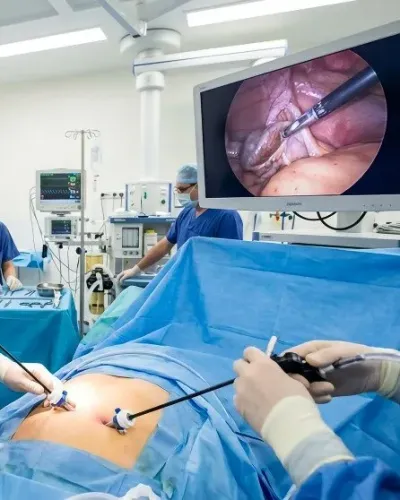
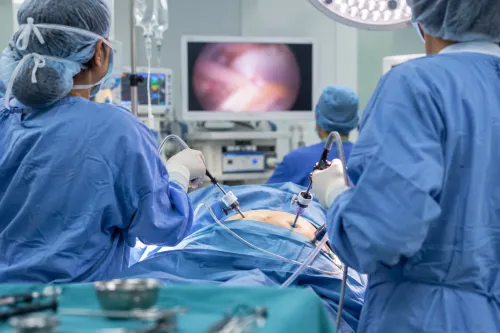
| Laparoscopic or robotic myomectomy | Small abdominal incisions; shorter recovery than open surgery | Selected accessible intramural or subserosal fibroids; technical limits apply |
| Open abdominal myomectomy | Larger incision; longer recovery | Numerous, very large or deeply positioned fibroids when minimally invasive surgery is unsuitable or unavailable |
| Uterine-artery embolisation | Catheter-based radiology procedure; recovery includes post-procedure pain | Blocks blood supply, so fibroids shrink rather than disappear immediately; reintervention may be needed |
Myomectomy preserves the uterus and removes the fibroid, but blood loss, adhesions, recurrence and rare conversion to hysterectomy remain possible. UAE commonly produces about 40% to 60% size reduction; pain, fever-like symptoms and vaginal discharge need planning.
A preserved uterus does not guarantee fertility. Discuss pregnancy evidence separately, because evidence is stronger for symptom relief than for actively seeking pregnancy; review ovarian function, delivery planning and recurrence as separate decisions. Myomectomy may suit selected fertility-related cases, while UAE requires a specific fertility discussion.
Radiofrequency ablation and focused ultrasound are not automatic choices: confirm local availability and eligibility. Ask about complications, hospital stay and further-treatment likelihood before deciding.
Treatment for large fibroids in Thane: when hysterectomy is and is not the answer
A large uterus or multiple fibroids does not automatically require hysterectomy. Treatment for large fibroids in Thane begins with MRI mapping when fibroids are numerous, deeply placed or very large, plus haemoglobin and iron testing to correct anaemia. GnRH medication can temporarily reduce bleeding and size before surgery, but it does not provide permanent treatment.
| Option | Main advantage | Key trade-offs |
|---|---|---|
| Myomectomy | Removes fibroids while retaining the uterus; laparoscopic or robotic surgery suits selected accessible fibroids, while open surgery suits numerous, very large or deep fibroids | Blood loss, adhesions, recurrence and rare conversion to hysterectomy; recovery and hospital stay are usually longer after open surgery |
| Uterine-artery embolisation | Blocks fibroid blood supply so fibroids shrink without major abdominal surgery | Post-procedure pain, fever-like symptoms and discharge; fertility evidence requires individual discussion, and reintervention remains possible |
| Hysterectomy | Removes the uterus, making recurrence impossible and providing definitive treatment | Ends the ability to carry a pregnancy; surgical complications, blood-loss planning and recovery depend on route and health |
Age, symptoms, fibroid position, surgical risk and reproductive plans determine the choice. Removal of the cervix, fallopian tubes or ovaries is separate; ovaries are not automatically removed. Anyone wanting pregnancy needs an organ-sparing discussion and, when time allows, a second opinion before hysterectomy. Removed tissue requires pathology testing.
Seek prompt assessment for rapid enlargement, postmenopausal bleeding or unexplained persistent pain.
How to choose a fibroid doctor in Thane and prepare for the consultation
Choose a fibroid doctor in Thane by comparing the care pathway, not only consultation fees. Ask the doctor to review the actual ultrasound or MRI images, not just the written report.
| Check | Question to ask |
|---|---|
| Procedures | Who performs hysteroscopic, laparoscopic, open and radiological treatments? |
| Experience | How many of these procedures do you personally perform? |
| Facility | Are hospital privileges, anaesthesia, blood-count testing, MRI access, blood-loss management, emergency surgical backup and follow-up available? |
| Planning | Who handles pathology, and what happens if bleeding requires conversion to hysterectomy? |
Request written answers covering expected hospital stay, recovery timeline, recurrence, fertility and ovarian-function consequences, total costs and insurance coverage. Ask whether the named procedure is actually available in Thane before committing.
Bring prior reports and image discs, a bleeding and menstrual record, haemoglobin or iron results, medication and allergy lists, pregnancy plans and previous operative notes. A consultation with Dr. Mrs. Pradnya J. Gavali - Gynaecologist can connect symptom assessment, image review and treatment planning.
Seek urgent care, not a routine appointment, for fainting with heavy bleeding, severe sudden pain, fever, urinary retention, or pregnancy-related pain or bleeding.
Related services
Fibroids Treatment Uterine fibroids are non-cancerous growths that develop in or around the uterus and can cause heavy menstrual bleeding, pelvic pain, frequent... View service → |
Uterus Removal Surgery also known as a hysterectomy, is a surgical procedure recommended for women with conditions such as large fibroids, severe endometriosis, abnormal... View service → |
Frequently asked questions
How do fibroid size and location affect treatment decisions?
Size, location, number, symptoms, uterine distortion, fertility plans, and fibroid growth all influence treatment. A small submucosal fibroid can cause heavy bleeding, while a larger outer-wall fibroid may cause few symptoms.
When is monitoring enough for a fibroid?
Monitoring can suit a fibroid that causes no significant symptoms, does not distort the uterine cavity, and shows no concerning growth. Follow-up may include symptom review and repeat ultrasound at an interval chosen by your doctor.
Can medication remove fibroids?
Medication can reduce heavy bleeding, pain, or fibroid-related symptoms. It does not permanently remove a fibroid, so persistent symptoms or pressure may require a procedure.
What treatments are available for large fibroids in Thane?
Options can include myomectomy, uterine artery embolisation, and hysterectomy. The choice depends on fibroid position, symptoms, health, fertility plans, and whether preserving the uterus matters to you.
How should I choose a fibroid doctor in Thane?
Choose a gynaecologist who explains scan findings, discusses uterus-preserving and definitive options, states the risks and recovery time, and answers questions about fertility, recurrence, and follow-up.
Keywords