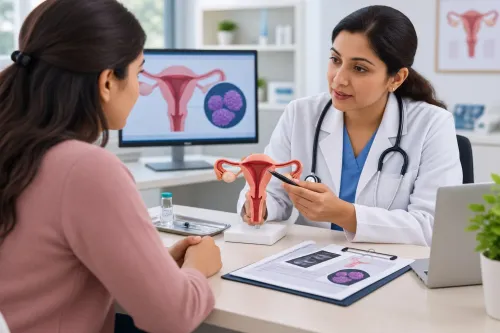
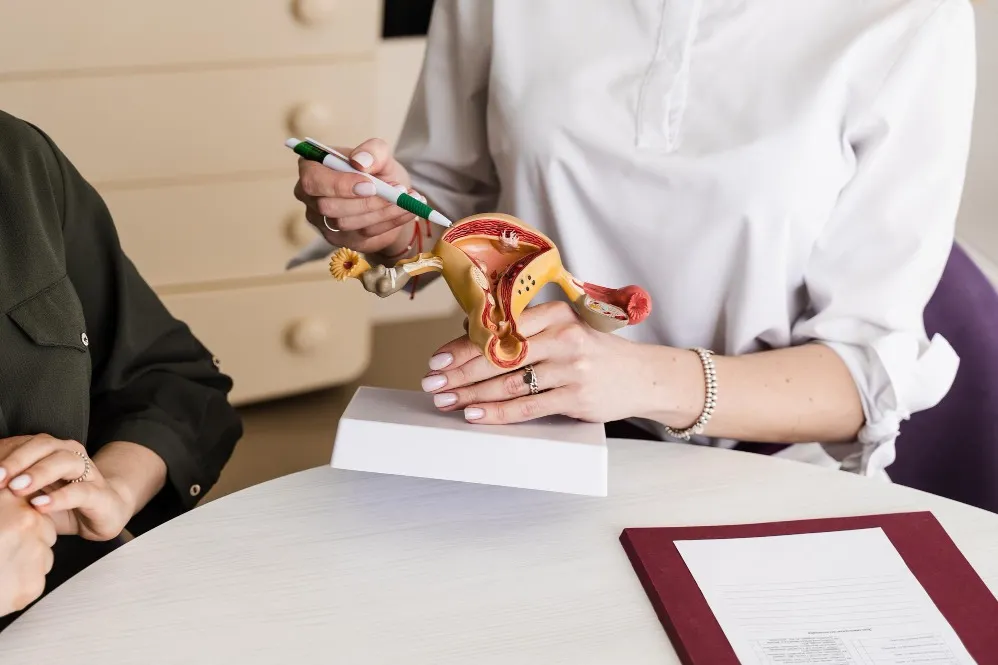
Pelvic pain, irregular periods, vaginal discharge, heavy bleeding, and discomfort during intercourse are common reasons to consult a gynaecologist. Similar symptoms can arise from very different conditions, so treatment should follow a structured evaluation rather than begin with assumptions.
Women seeking gynecological disorders treatment in Thane can prepare for a more useful consultation by observing symptom patterns and bringing previous medical records.
Symptoms That Deserve Assessment
A gynaecological consultation may be appropriate for:
- Periods that are repeatedly irregular
- Very heavy or prolonged bleeding
- Bleeding between periods
- Bleeding after intercourse
- Persistent pelvic pain
- Painful periods affecting daily activities
- Unusual vaginal discharge
- Vaginal itching or irritation
- Pain during intercourse
- A pelvic swelling or pressure sensation
- Urinary symptoms occurring with pelvic concerns
Sudden severe pelvic pain, fainting, heavy bleeding, fever with pain, or pain during a possible pregnancy may require urgent medical attention.
Why Similar Symptoms Need Different Treatments
Heavy periods may be associated with hormonal changes, fibroids, adenomyosis, polyps, bleeding disorders, thyroid concerns, medicines, or changes in the uterine lining.
Pelvic pain may arise from endometriosis, ovarian cysts, infection, urinary conditions, bowel concerns, or musculoskeletal causes. Vaginal discharge can be normal or may indicate infection depending on its appearance and associated symptoms.
Treating every case with the same tablets may temporarily mask symptoms without addressing the underlying cause.
What the Evaluation May Include
The doctor may ask about:
- Menstrual timing and flow
- Pregnancy possibility
- Pain location and duration
- Sexual and contraceptive history
- Previous pregnancies
- Current medicines
- Family medical history
- Associated bowel or urinary symptoms
Depending on the situation, the assessment may include a physical examination, pregnancy test, blood tests, urine testing, infection screening, cervical evaluation, or pelvic ultrasound.
Not every patient needs every investigation. Testing should be guided by age, symptoms, examination findings, and risk factors.
Medical and Procedural Treatment
Treatment may involve observation, pain management, hormonal medication, antibiotics for confirmed or strongly suspected infections, correction of anaemia, or condition-specific therapy.
Some women may require a procedure or surgery. When this is considered, patients should understand:
- Why the procedure is recommended
- Whether alternatives are available
- Expected benefits
- Important risks
- Recovery time
- Effect on fertility
- Possibility of recurrence
A second opinion can be reasonable for major non-emergency procedures when the patient wants further clarity.
Preparing for a Consultation in Thane
Keep a record of menstrual dates, number of pads used during heavy days, pain timing, associated symptoms, and medicines already tried. Bring earlier ultrasound images and reports rather than relying only on memory.
Dr. Mrs. Pradnya J. Gavali assesses gynaecological concerns in Thane, Maharashtra, and can recommend treatment or specialist referral according to the diagnosis.
Avoiding Self-Treatment Delays
Repeated use of over-the-counter painkillers, antifungal medicines, or hormonal tablets without assessment can delay diagnosis. Vaginal washes and fragranced products may worsen irritation and are not treatments for internal infection.
Women should also remain up to date with age-appropriate cervical and breast-health screening as advised by their healthcare professionals.
Effective treatment begins by defining the problem accurately. A careful history, focused examination, and selected investigations help distinguish temporary changes from conditions requiring ongoing care.
Keywords