
A pregnancy may be classified as high risk when the mother, baby, or both require closer medical observation than usual. The term does not automatically mean that complications will occur. It indicates that additional monitoring, investigations, or specialist support may be needed to improve safety throughout pregnancy.
Women seeking high risk pregnancy treatment in Thane may be referred for specialised care because of an existing health condition, a complication detected during pregnancy, or concerns identified during a previous pregnancy.
What Can Make a Pregnancy High Risk?
Several maternal and pregnancy-related factors can increase the need for careful supervision. These include:
- High blood pressure
- Diabetes existing before pregnancy
- Gestational diabetes
- Thyroid disorders
- Anaemia
- Multiple pregnancy involving twins or triplets
- Placental abnormalities
- Previous miscarriages
- Previous premature delivery
- Previous Cesarean section
- Pregnancy at an advanced maternal age
- Restricted growth of the baby
- Reduced or excessive amniotic fluid
Some women enter pregnancy with a known medical condition. Others develop complications during the second or third trimester. Regular antenatal appointments help identify these changes before they become more difficult to manage.
How High Risk Pregnancy Care Is Planned
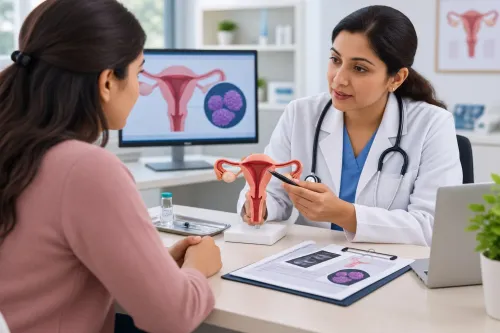
The first step is a detailed clinical assessment. The gynaecologist reviews the woman’s medical history, previous pregnancies, current medicines, examination findings, and available test reports.
A personalised monitoring plan may include:
- More frequent antenatal consultations
- Blood pressure and blood sugar monitoring
- Blood and urine investigations
- Ultrasound examinations at appropriate stages
- Foetal growth and well-being assessments
- Nutritional and activity guidance
- Review of medicines used for other conditions
- Delivery planning based on maternal and foetal health
Not every woman requires every test. The schedule depends on the nature and severity of the identified risk.
Warning Signs That Need Prompt Attention
Expectant mothers should seek medical advice without delay if they develop:
- Vaginal bleeding
- Severe abdominal pain
- Persistent headache
- Blurred vision
- Sudden swelling of the face or hands
- Breathlessness
- Fever
- Fluid leaking from the vagina
- Regular painful contractions before term
- A noticeable reduction in the baby’s movements
These symptoms do not always indicate a serious complication, but they should not be ignored or managed only with home remedies.
The Importance of Coordinated Care
High risk pregnancy management may involve collaboration between an obstetrician, physician, radiologist, endocrinologist, neonatologist, or another specialist. Coordinated care becomes especially important when the mother has diabetes, hypertension, heart disease, or a complex obstetric history.
Women in Thane, Maharashtra, should also consider practical factors such as access to investigations, travel time to the maternity facility, emergency support, and the availability of neonatal care when discussing their delivery plan.
Dr. Mrs. Pradnya J. Gavali evaluates each pregnancy individually and helps women understand why additional monitoring may be recommended. Clear explanations can reduce uncertainty and enable families to prepare for different possibilities.
Everyday Steps That Support Medical Care
Women with high risk pregnancies should follow the treatment plan given by their obstetrician. Helpful measures commonly include:
- Taking prescribed medicines regularly
- Attending every scheduled appointment
- Completing investigations within the recommended time
- Monitoring blood pressure or blood glucose when advised
- Eating a balanced diet appropriate for the medical condition
- Avoiding tobacco, alcohol, and unapproved supplements
- Reporting new symptoms promptly
- Keeping important reports readily accessible
Bed rest should not be started without medical advice. Unnecessary inactivity can create other health concerns, while some complications may genuinely require reduced activity.
High risk pregnancy care is most effective when potential concerns are recognised early and reviewed consistently. With appropriate monitoring, informed decision-making, and timely intervention, many women with additional risk factors can progress through pregnancy safely.
Keywords