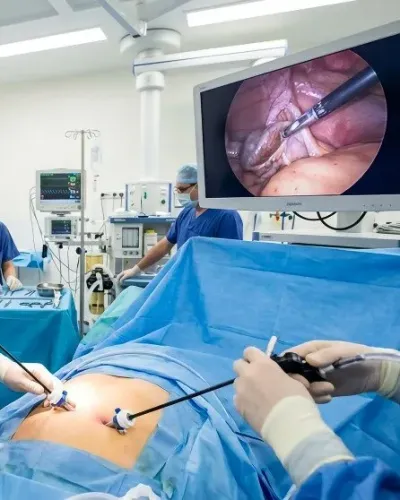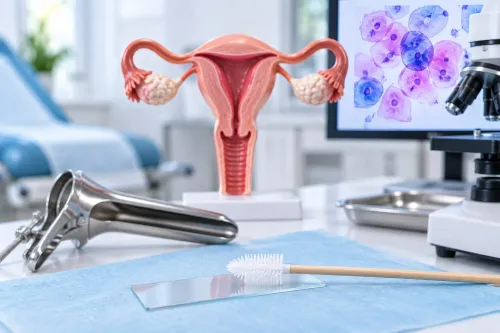
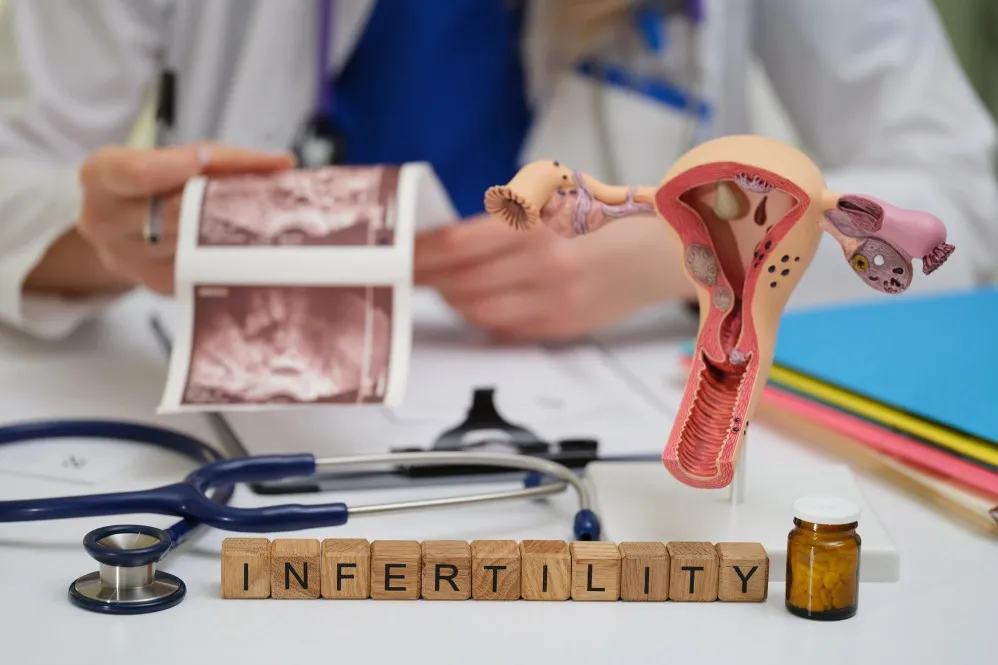
Infertility is generally considered when pregnancy does not occur after a period of regular, unprotected intercourse. However, the appropriate time to seek an evaluation depends on the woman’s age, menstrual pattern, medical history, and known reproductive concerns.
Couples seeking infertility evaluation and treatment in Thane should know that fertility assessment involves both partners. Beginning with only the woman’s tests can delay the identification of male-factor or combined fertility concerns.
When Should a Couple Seek Advice?
A fertility consultation is commonly considered after 12 months of trying when the woman is younger than 35. Earlier assessment may be appropriate when the woman is 35 or older.
Couples should also consider earlier medical advice when there are:
- Irregular or absent menstrual periods
- Known PCOS or endometriosis
- Previous pelvic infection
- Previous ectopic pregnancy
- Recurrent miscarriages
- Sexual difficulties
- Previous chemotherapy or radiotherapy
- Known testicular or semen concerns
- Pelvic or reproductive surgery
- A significant genetic history
These are general guideposts. An individual consultation can determine whether testing should begin sooner.
What Female Fertility Evaluation May Include
The gynaecologist first reviews menstrual cycles, symptoms, previous pregnancies, medical conditions, medicines, and lifestyle factors.
Depending on the findings, investigations may assess:
- Ovulation
- Ovarian reserve
- Thyroid or prolactin abnormalities
- Pelvic anatomy
- Uterine conditions
- Fallopian tube patency
Ultrasound and blood tests are selected according to clinical need and sometimes need to be performed on particular cycle days.
No single result provides a complete measure of fertility. Ovarian reserve testing, for example, should be interpreted with age, ultrasound findings, menstrual history, and the wider clinical picture.
Why Semen Analysis Matters
Male factors contribute to a substantial proportion of fertility difficulties. A semen analysis is usually an important early test because it can evaluate sperm concentration, movement, and shape.
An abnormal result may need confirmation because illness, fever, collection conditions, or the period of abstinence can temporarily influence findings. Further evaluation may be advised where appropriate.
Matching Treatment to the Cause
Infertility treatment is not automatically IVF. Management may involve:
- Timing intercourse around ovulation
- Lifestyle and weight-management support
- Treatment of thyroid or hormonal concerns
- Ovulation-induction medicines
- Management of uterine or pelvic conditions
- Intrauterine insemination in selected cases
- Referral for assisted reproductive treatment when indicated
Treatment choice depends on the identified cause, both partners’ ages, duration of infertility, previous treatment, and personal preferences.
Dr. Mrs. Pradnya J. Gavali evaluates women and couples in Thane, Maharashtra, and can advise which initial investigations are clinically relevant. Referral to an andrologist, fertility specialist, or another professional may be recommended based on the findings.
Common Mistakes That Can Delay Progress
Couples may lose time by repeatedly using supplements without evaluation, tracking ovulation inaccurately, postponing semen analysis, or undergoing the same incomplete tests at different centres.
Another common difficulty is assuming that one normal report rules out every fertility concern. Fertility depends on several interconnected processes, and unexplained infertility may be considered only after an appropriate assessment.
Preparing for the First Appointment
Couples can bring:
- Menstrual dates from recent cycles
- Previous pregnancy records
- Earlier laboratory and ultrasound reports
- A list of medicines and supplements
- Details of prior fertility treatment
- Available semen-analysis reports
Infertility can be emotionally demanding, and treatment outcomes cannot be guaranteed. A structured evaluation provides something valuable even before treatment begins: a clearer understanding of possible causes, realistic options, and the next appropriate step.
Keywords