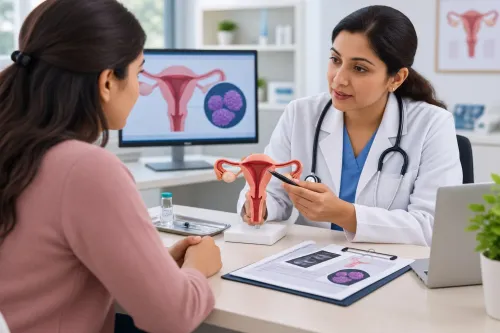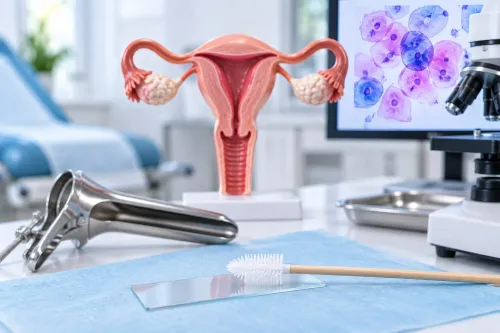

For many couples, pregnancy happens naturally within a few months of trying. However, when conception takes longer than expected, it can become emotionally and physically challenging. Infertility does not always mean that pregnancy is impossible. In many cases, identifying the underlying cause through a proper evaluation can lead to effective treatment and successful conception. Couples in Thane, Maharashtra, can benefit from seeking timely medical advice rather than waiting for the problem to resolve on its own.
What Is Infertility?
Infertility is generally defined as the inability to conceive after:
- 12 months of regular, unprotected intercourse for couples where the woman is under 35 years of age.
- 6 months if the woman is 35 years or older.
Both male and female factors can contribute to infertility, which is why evaluation often involves both partners.
Common Causes of Infertility
Several medical conditions may affect fertility, including:
- Ovulation disorders
- Polycystic Ovary Syndrome (PCOS)
- Blocked fallopian tubes
- Endometriosis
- Hormonal imbalance
- Uterine abnormalities
- Low sperm count or poor sperm quality
- Age-related decline in fertility
Sometimes, infertility remains unexplained even after routine investigations.
When Should You Consult a Gynecologist?
It is advisable to seek medical evaluation if:
- You have irregular or absent menstrual periods.
- You have experienced repeated miscarriages.
- You have known PCOS or thyroid disorders.
- You have pelvic pain or severe menstrual cramps.
- You are over 35 and have been trying to conceive for six months.
- Pregnancy has not occurred after one year of regular, unprotected intercourse.
Early diagnosis often increases the range of available treatment options.
How Is Infertility Evaluated?
The first step is understanding the couple's medical history and lifestyle. Depending on the findings, your doctor may recommend:
- Hormone blood tests
- Ovulation assessment
- Pelvic ultrasound
- Fallopian tube evaluation
- Uterine cavity assessment
- Semen analysis for the male partner
These investigations help identify the cause and guide the most suitable treatment plan.
Treatment Options
Infertility treatment depends on the underlying reason. Your gynecologist may recommend:
- Lifestyle and dietary modifications
- Ovulation-inducing medications
- Hormonal treatment
- Management of PCOS or thyroid disorders
- Treatment for infections
- Minor gynecological procedures when required
- Referral for assisted reproductive techniques if appropriate
Not every couple requires advanced fertility treatment. Many achieve pregnancy after addressing correctable medical conditions.
Lifestyle Changes That Support Fertility
Healthy habits can improve reproductive health for both partners:
- Maintain a healthy body weight.
- Eat a balanced diet rich in fruits, vegetables, and protein.
- Exercise regularly.
- Avoid smoking and excessive alcohol.
- Manage stress effectively.
- Sleep for at least 7–8 hours daily.
These changes can complement medical treatment and improve overall well-being.
Choosing the Right Fertility Care
Infertility is a medical condition that deserves timely evaluation and compassionate care. An experienced gynecologist can help identify the cause, explain treatment options clearly, and create a personalized plan based on your health and reproductive goals.
Dr. Mrs. Pradnya J. Gavali – Gynaecologist provides infertility evaluation and treatment for couples in Thane, offering evidence-based care, thorough investigations, and individualized guidance to support their journey toward parenthood.
Does infertility always affect women?
No. Male factors contribute to infertility in a significant number of cases, which is why both partners should be evaluated.
Can infertility be treated without surgery?
Yes. Many couples conceive with medications, lifestyle changes, or treatment of underlying medical conditions without needing surgery.
When is the right time to seek help?
If pregnancy has not occurred after one year of trying, or after six months if the woman is over 35 years of age, it is advisable to consult a gynecologist.
Early infertility evaluation can identify potential problems before they become more difficult to treat, improving the chances of achieving a healthy pregnancy.
Keywords