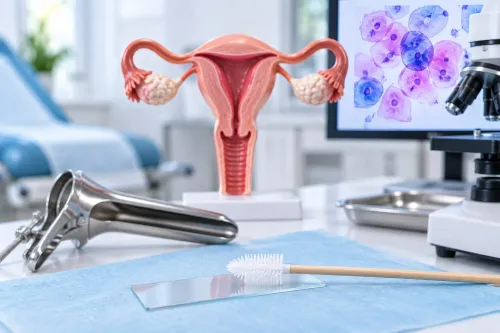
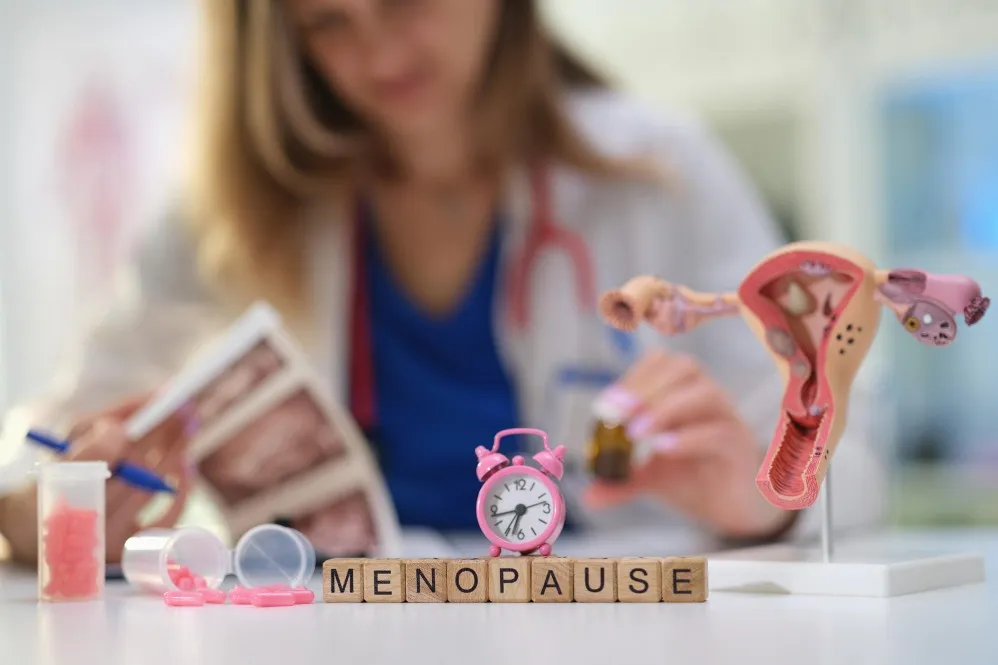
Menopause is a natural stage in a woman's life that marks the end of her menstrual cycles. While it is not a medical condition, the hormonal changes associated with menopause can bring physical and emotional symptoms that affect daily life. Understanding these changes and seeking appropriate medical guidance can make the transition smoother. Women in Thane, Maharashtra, can benefit from personalized menopause management to maintain their health and quality of life.
What Is Menopause?
Menopause is confirmed when a woman has not had a menstrual period for 12 consecutive months. It usually occurs between the ages of 45 and 55, although some women may experience it earlier or later.
The years leading up to menopause, known as perimenopause, are when hormone levels begin to fluctuate, often causing noticeable symptoms.
Common Symptoms of Menopause
Every woman experiences menopause differently. Some of the most common symptoms include:
- Hot flashes and night sweats
- Irregular periods before they stop completely
- Mood swings or irritability
- Sleep disturbances
- Vaginal dryness
- Reduced libido
- Joint and muscle aches
- Difficulty concentrating
- Weight gain
The severity of symptoms varies from person to person.
Health Concerns After Menopause
Lower estrogen levels can increase the risk of certain health conditions, including:
- Osteoporosis (weak bones)
- Heart disease
- Weight gain
- Urinary problems
- Vaginal discomfort
Regular health check-ups help identify these concerns early and support long-term well-being.
How Menopause Is Managed
Treatment depends on the severity of symptoms and a woman's overall health. Your gynecologist may recommend:
- Lifestyle modifications
- Balanced nutrition
- Regular exercise
- Calcium and vitamin D supplements
- Hormonal or non-hormonal medications, when appropriate
- Management of sleep disturbances and mood changes
A personalized treatment plan can help reduce discomfort and improve quality of life.
Healthy Lifestyle Tips During Menopause
Simple daily habits can make a significant difference:
- Eat a diet rich in calcium, protein, fruits, and vegetables.
- Stay physically active with regular exercise.
- Maintain a healthy body weight.
- Get enough sleep each night.
- Practice stress management through yoga, meditation, or breathing exercises.
- Avoid smoking and limit alcohol consumption.
These measures support bone health, heart health, and emotional well-being.
When Should You See a Gynecologist?
Medical advice is recommended if you experience:
- Very heavy or prolonged bleeding
- Bleeding after menopause
- Severe hot flashes affecting daily life
- Persistent mood changes
- Pain during intercourse
- Frequent urinary problems
Early evaluation helps rule out other medical conditions and ensures appropriate treatment.
Choosing the Right Specialist
Menopause management is about more than treating symptoms; it focuses on maintaining long-term health and helping women enjoy an active lifestyle. An experienced gynecologist can provide individualized guidance based on your symptoms, medical history, and personal health goals.
Dr. Mrs. Pradnya J. Gavali – Gynaecologist offers comprehensive menopause management in Thane, helping women navigate this life stage with personalized care, preventive health advice, and evidence-based treatment options.
At what age does menopause usually begin?
Most women reach menopause between 45 and 55 years of age, although the timing varies from person to person.
Can menopause symptoms be treated?
Yes. Lifestyle changes, medications, and other treatment options can effectively manage many menopausal symptoms.
Should I continue regular gynecological check-ups after menopause?
Absolutely. Regular check-ups remain important for monitoring bone health, breast health, and other age-related conditions.
With the right medical support and healthy lifestyle choices, menopause can be managed successfully, allowing women to remain active, healthy, and confident throughout this new stage of life.
Keywords