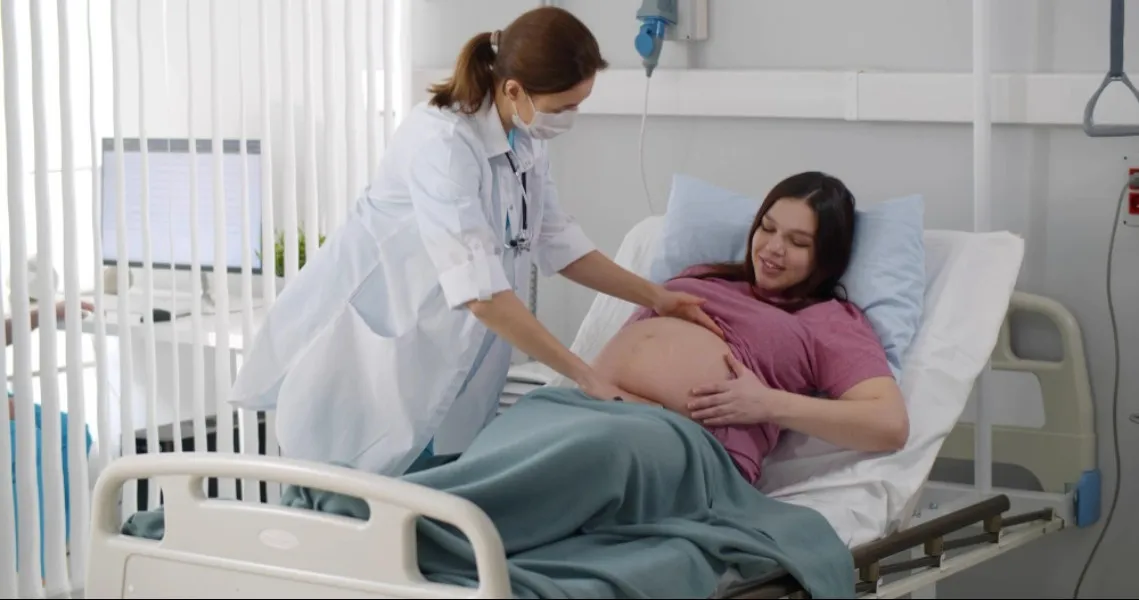
For many expectant mothers, a normal vaginal delivery is the preferred option because it often involves a quicker recovery and fewer surgical risks. While every pregnancy is different, proper prenatal care, a healthy lifestyle, and expert medical guidance can improve the chances of a safe normal delivery. Women in Thane, Maharashtra, can benefit from understanding what to expect and how to prepare for labour with confidence.
What Is a Normal Delivery?
A normal delivery is the natural birth of a baby through the birth canal without the need for major surgery. The process usually begins with labour contractions that gradually help the cervix open, allowing the baby to be delivered safely.
The duration of labour varies for every woman, especially between first-time mothers and those who have delivered before.
Benefits of Normal Delivery
When medically suitable, a normal delivery offers several advantages:
- Faster recovery after childbirth
- Shorter hospital stay
- Lower risk of surgical complications
- Earlier mobility
- Better bonding through early skin-to-skin contact
- Easier initiation of breastfeeding
- Reduced risk of complications in future pregnancies
Your doctor will recommend the safest delivery method based on your health and the baby's condition.
How to Prepare for a Normal Delivery
Although labour cannot be predicted exactly, certain healthy habits may support a smoother delivery:
- Attend all antenatal appointments.
- Eat a balanced diet rich in nutrients.
- Stay physically active with doctor-approved exercises.
- Practice breathing and relaxation techniques.
- Maintain a healthy pregnancy weight.
- Stay well hydrated.
- Learn about the stages of labour.
Preparation helps reduce anxiety and improves confidence before delivery.
When Should You Go to the Hospital?
Contact your doctor or visit the hospital if you notice:
- Regular, painful contractions
- Water breaking
- Vaginal bleeding
- Reduced baby's movements
- Severe abdominal pain
- Persistent headache with blurred vision
Prompt medical evaluation helps ensure the safety of both mother and baby.
Can Every Woman Have a Normal Delivery?
Not every pregnancy is suitable for vaginal birth. Certain situations may require a cesarean section, including:
- Placenta covering the cervix
- Fetal distress
- Abnormal baby position
- Multiple pregnancy in some cases
- Failure of labour to progress
- Certain maternal health conditions
Your gynecologist will recommend the most appropriate delivery method after evaluating your pregnancy.
Recovery After a Normal Delivery
Recovery is generally quicker than after surgery, but mothers still need adequate rest and follow-up care. A healthy diet, hydration, gentle activity, and postnatal check-ups support healing during the first few weeks after childbirth.
Emotional well-being is equally important, so do not hesitate to discuss any concerns with your healthcare provider.
Choosing the Right Gynecologist for Delivery Care
A positive childbirth experience depends on regular monitoring, timely decision-making, and personalized care throughout pregnancy.
Dr. Mrs. Pradnya J. Gavali – Gynaecologist provides comprehensive pregnancy and normal delivery care in Thane, supporting expectant mothers from antenatal visits to labour, delivery, and postnatal recovery with an individualized approach.
Can first-time mothers have a normal delivery?
Yes. Many first-time mothers have successful normal deliveries when the pregnancy progresses without complications.
Does walking during pregnancy help with normal delivery?
Regular walking and pregnancy-safe exercises may improve overall fitness, but always follow your doctor's recommendations.
How can I increase my chances of a normal delivery?
Maintaining a healthy lifestyle, attending regular antenatal check-ups, managing medical conditions, and following your gynecologist's advice can improve the likelihood of a safe vaginal birth.
Proper preparation and expert pregnancy care can help mothers approach labour with greater confidence while ensuring the best possible outcome for both mother and baby.
Keywords