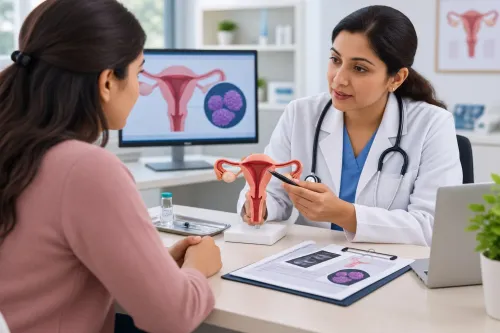
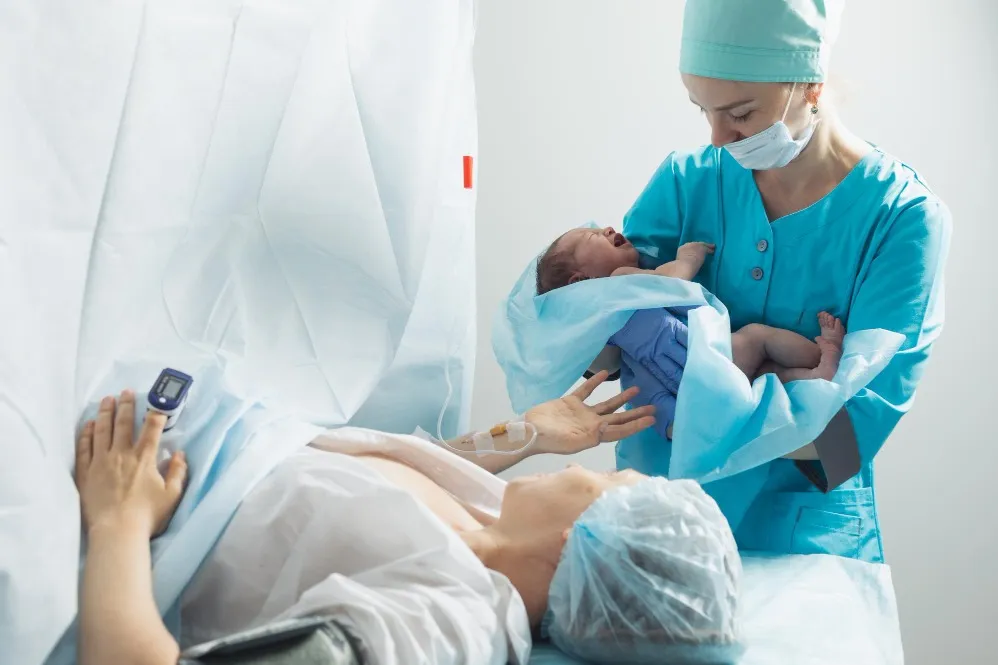
Many expectant mothers hope for a vaginal birth, often described as a normal delivery. While this may be possible in a large number of pregnancies, the safest mode of birth depends on the mother’s health, the baby’s condition, labour progress, and events that may arise close to delivery.
A normal delivery doctor in Thane can help women prepare for labour while explaining that the final plan must remain flexible. Supporting vaginal birth should never mean delaying a medically necessary intervention.
Factors That Influence the Mode of Delivery
A gynaecologist considers several factors before recommending how childbirth should be managed:
- The baby’s position
- Placental location
- Estimated foetal growth
- Maternal health conditions
- Previous uterine surgery
- Pelvic and obstetric history
- Number of babies
- Onset and progress of labour
- Foetal heart-rate pattern
- Bleeding or other complications
Some of these factors are known before labour, while others become clear only after contractions begin.
Preparing the Body During Pregnancy
Preparation for labour does not require extreme exercise or unverified remedies. Women should follow activity guidance suited to their health and pregnancy.
Helpful measures may include:
- Regular walking when medically permitted
- Pregnancy-appropriate stretching
- Pelvic floor exercises taught correctly
- Balanced nutrition
- Adequate hydration
- Recommended antenatal supplements
- Sufficient rest
- Consistent antenatal appointments
Women with placenta previa, cervical concerns, hypertension, premature contractions, or other complications may need modified activity. Exercise advice should therefore be individualised.
Learning the Signs of Labour
Common signs include increasingly regular contractions, a blood-stained mucus discharge, and rupture of the amniotic sac. Not every woman experiences these signs in the same order.
Expectant mothers should contact their maternity team if:
- The waters break
- Contractions become regular and painful
- Vaginal bleeding occurs
- The baby’s movements decrease
- Severe pain develops
- Labour symptoms begin before term
- The doctor has provided condition-specific instructions
Families in Thane, Maharashtra, should plan their travel route and backup transport before the expected delivery period. Local traffic and heavy monsoon conditions can affect travel time.
What Happens During Labour?
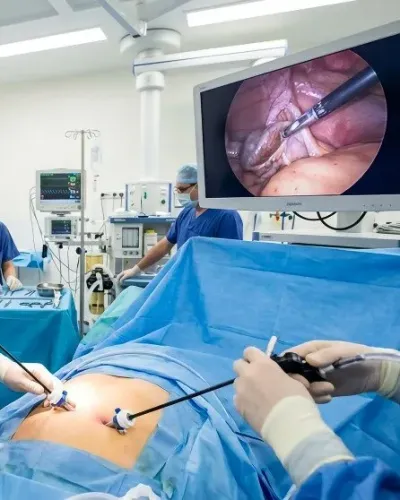
During labour, the clinical team may monitor contraction patterns, cervical changes, maternal vital signs, and the baby’s heartbeat. The frequency and method of monitoring depend on the pregnancy’s risk profile.
Pain-management options can be discussed antenatally. Breathing techniques, movement, positioning, supportive companionship where permitted, and medical pain relief may all have roles.
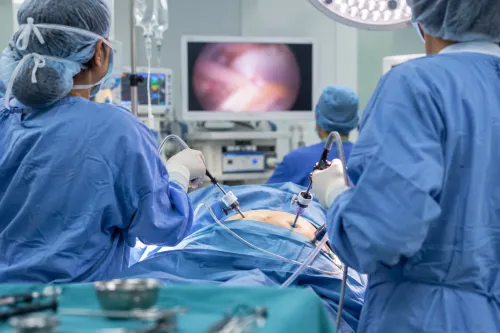
Progress is assessed over time rather than judged from a single examination. If labour stops progressing or signs of maternal or foetal distress appear, assisted delivery or a Cesarean section may be considered.
Avoiding Unrealistic Promises
No responsible clinician can guarantee a vaginal delivery in advance. Statements promising a normal birth regardless of clinical circumstances can place expectations above safety.
A better approach is to discuss:
- Whether vaginal birth currently appears appropriate
- Which developments may change the plan
- How labour will be monitored
- When intervention might become necessary
- What support is available after either mode of birth
Dr. Mrs. Pradnya J. Gavali discusses birth preparation with expectant mothers in Thane and reviews delivery options according to pregnancy findings.
Emotional Readiness Matters Too
Fear of labour is common. Reliable information, antenatal education, and an opportunity to discuss previous birth experiences can reduce anxiety. A woman who previously had a difficult delivery may need additional emotional support and a detailed discussion about the next birth.
A safe delivery is not defined only by whether it is vaginal or surgical. The central goal is the well-being of the mother and baby. Informed preparation, regular monitoring, and flexibility during labour allow decisions to respond to actual clinical needs.
Keywords