Polycystic ovary syndrome is a hormonal and metabolic condition that can affect menstrual cycles, skin, hair growth, weight, fertility, and long-term health. Its presentation varies considerably. One woman may have irregular periods and acne, while another may primarily experience difficulty conceiving.
Effective PCOS treatment in Thane should therefore be based on the woman’s symptoms, test findings, age, and current goals rather than a single standard prescription.
How PCOS Is Assessed
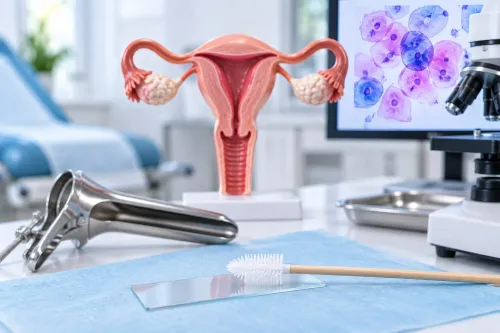
PCOS is not diagnosed from an ultrasound alone. The assessment may consider:
- Irregular or absent ovulation
- Clinical or laboratory signs of excess androgens
- Polycystic ovarian appearance on ultrasound
- Menstrual history
- Weight and waist-related health indicators
- Blood pressure
- Glucose metabolism
- Thyroid or prolactin abnormalities
Other conditions can cause similar symptoms and may need to be excluded. Ultrasound findings described as polycystic ovaries do not always mean that a woman has the syndrome.
Treatment for Irregular Periods
Very infrequent periods should not simply be ignored. Depending on the individual situation, the gynaecologist may recommend lifestyle measures, hormonal treatment, or periodic medication to regulate bleeding and protect the uterine lining.
Women should report unusually heavy or prolonged bleeding. Repeated blood loss can contribute to anaemia and may require separate evaluation.
PCOS Care When Pregnancy Is Planned
Women with PCOS may ovulate irregularly, making the fertile window difficult to predict. Assessment may include evaluation of ovulation and other fertility factors.
Management can involve:
- Sustainable weight reduction when relevant
- Treatment of metabolic concerns
- Ovulation-induction medication under supervision
- Cycle monitoring
- Evaluation of the partner
- Further fertility treatment when indicated
Many women with PCOS conceive, either naturally or with appropriate medical support. However, individual timelines and treatment needs vary.
Managing Acne and Excess Hair Growth
Acne, facial hair, or scalp-hair thinning can affect confidence and emotional well-being. Treatment may involve hormonal medicines, dermatological care, or cosmetic hair-removal methods.
Some medicines used for androgen-related symptoms are unsuitable during pregnancy. Women planning conception should inform every treating clinician.
The Role of Lifestyle Changes
Lifestyle care is not a demand for rapid weight loss. It is intended to improve metabolic health through practical, sustainable habits.
Helpful changes can include:
- Regular meals containing adequate protein and fibre
- Reduced intake of sugar-sweetened drinks
- Routine strength and aerobic activity
- Consistent sleep
- Stress-management support
- Avoidance of crash diets
Even when body weight does not change dramatically, improved activity, nutrition, and sleep can support metabolic health.
Thane’s commuting patterns and demanding work schedules can make consistency difficult. A realistic routine that fits everyday life is more useful than an intensive plan that lasts only a few weeks.
Long-Term Health Monitoring
PCOS may be associated with an increased likelihood of insulin resistance, type 2 diabetes, abnormal cholesterol, sleep concerns, and endometrial problems. The required monitoring depends on personal risk factors.
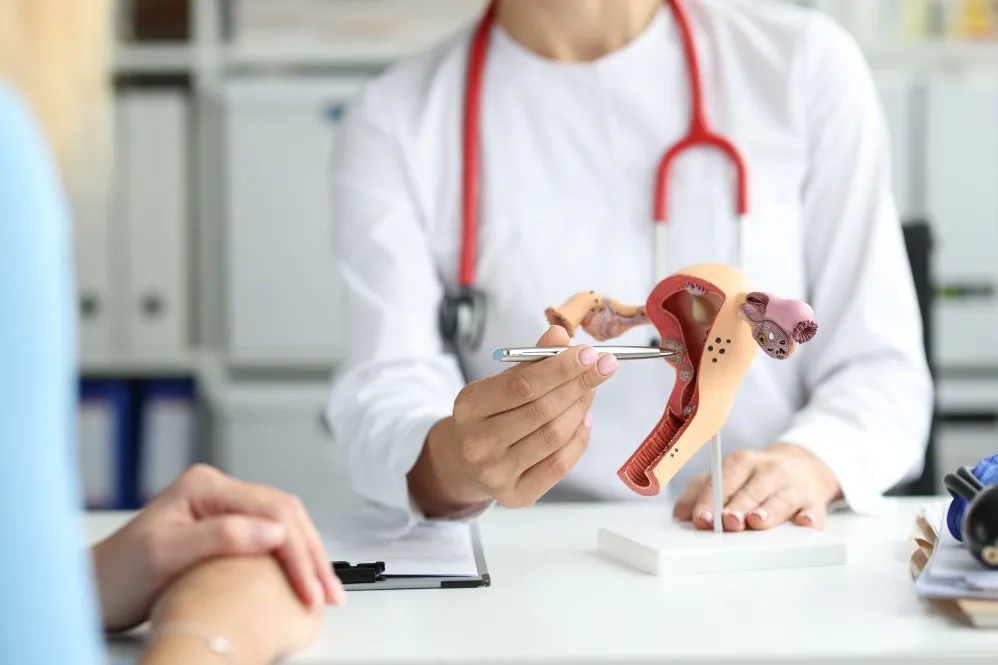
Dr. Mrs. Pradnya J. Gavali provides individual assessment for women seeking PCOS treatment in Thane, Maharashtra. Care may be coordinated with a physician, endocrinologist, dermatologist, dietitian, or fertility specialist where necessary.
When to Arrange a Consultation
Medical evaluation is advisable if periods are repeatedly delayed, bleeding is very heavy, unwanted hair growth is rapidly increasing, pregnancy is not occurring, or symptoms are affecting daily life.
PCOS cannot be judged by appearance, and not every woman needs the same treatment. Care should focus on the concern that matters now while also protecting reproductive and metabolic health over time.
Keywords