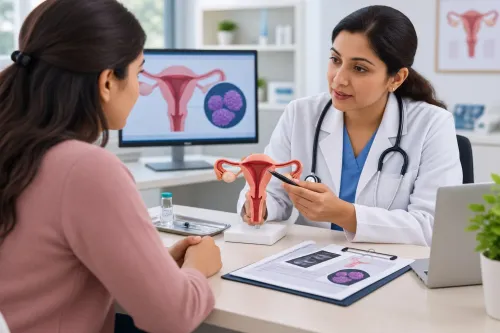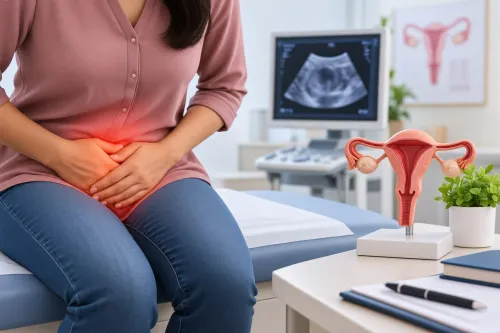
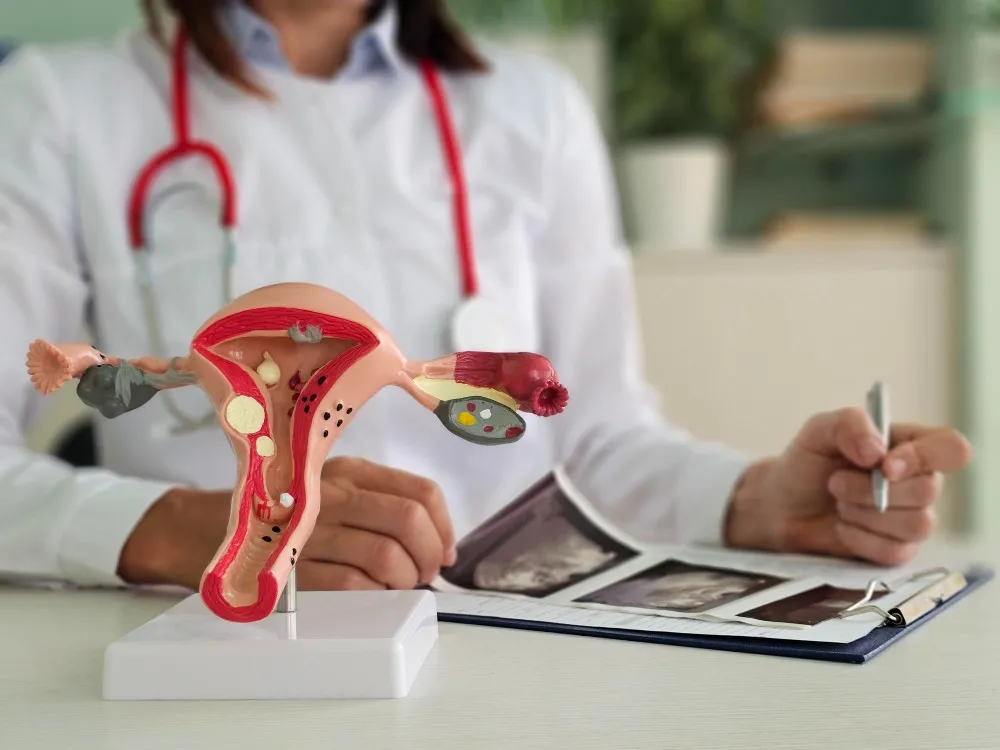
Polycystic Ovary Syndrome (PCOS) is one of the most common hormonal disorders affecting women of reproductive age. It can influence menstrual cycles, fertility, weight, skin health, and overall well-being. The good news is that PCOS can be effectively managed with the right medical care and lifestyle changes. Women in Thane, Maharashtra, who notice persistent menstrual irregularities or other symptoms should consider an early evaluation to prevent long-term health complications.
What Is PCOS?
PCOS is a hormonal condition in which the ovaries may produce higher-than-normal levels of androgens (male hormones). This hormonal imbalance can interfere with ovulation and lead to multiple small follicles in the ovaries.
The condition varies from woman to woman, and not everyone experiences the same symptoms.
Common Symptoms of PCOS
Women with PCOS may experience:
- Irregular or missed periods
- Difficulty conceiving
- Unexplained weight gain
- Excess facial or body hair
- Acne or oily skin
- Hair thinning or hair loss
- Dark patches of skin around the neck or underarms
- Mood changes
If these symptoms persist, a medical evaluation can help confirm the diagnosis.
What Causes PCOS?
The exact cause of PCOS is not fully understood, but several factors may contribute, including:
- Hormonal imbalance
- Insulin resistance
- Genetic factors
- Family history
- Excess androgen production
Early diagnosis allows treatment to begin before complications develop.
How Is PCOS Diagnosed?
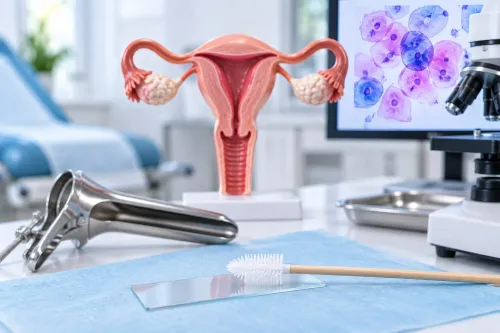
Your gynecologist may recommend:
- A detailed medical history
- Physical examination
- Pelvic ultrasound
- Blood tests to evaluate hormone levels
- Blood sugar and cholesterol screening
These investigations help rule out other conditions and guide appropriate treatment.
Treatment Options for PCOS
Treatment depends on your symptoms, age, and future pregnancy plans. It may include:
- Lifestyle and dietary modifications
- Weight management
- Medications to regulate menstrual cycles
- Treatment for acne or excessive hair growth
- Ovulation-inducing medicines for women planning pregnancy
- Management of insulin resistance when required
The objective is to control symptoms and reduce long-term health risks.
Lifestyle Changes That Make a Difference
Healthy daily habits play a major role in managing PCOS:
- Eat a balanced diet with whole grains, fruits, vegetables, and lean protein.
- Exercise regularly.
- Maintain a healthy body weight.
- Get adequate sleep.
- Manage stress through relaxation techniques.
- Attend regular follow-up appointments.
Even a modest weight reduction can improve hormone balance and menstrual regularity in many women.
Why Early Treatment Matters
Untreated PCOS may increase the risk of:
- Infertility
- Type 2 diabetes
- High blood pressure
- High cholesterol
- Sleep disorders
- Endometrial problems
Early diagnosis and consistent medical care can significantly lower these risks and improve quality of life.
Choosing the Right Gynecologist
Managing PCOS requires a personalized approach because symptoms and treatment goals vary from one woman to another. An experienced gynecologist can develop a plan that addresses both immediate concerns and long-term health.
Dr. Mrs. Pradnya J. Gavali – Gynaecologist provides comprehensive PCOS treatment in Thane, helping women manage hormonal imbalance, improve menstrual health, and receive guidance for future fertility planning when needed.
Can PCOS be cured?
PCOS cannot be permanently cured, but its symptoms can be effectively managed with medication, healthy lifestyle changes, and regular medical follow-up.
Can women with PCOS become pregnant?
Yes. Many women with PCOS conceive naturally or with appropriate fertility treatment after proper evaluation and management.
Does every woman with irregular periods have PCOS?
No. Irregular periods can occur due to several medical conditions. A proper evaluation is necessary to determine the exact cause.
With early diagnosis, personalized treatment, and healthy lifestyle habits, most women with PCOS can successfully manage their symptoms and maintain good reproductive and overall health.
Keywords