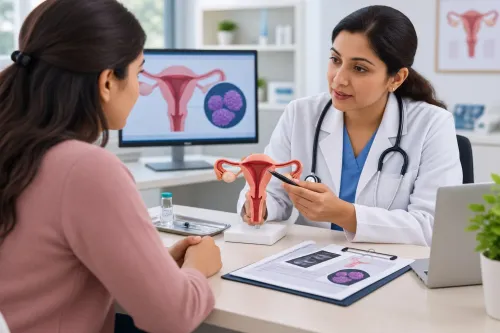

Pregnancy care can begin before conception. Preconception counselling helps individuals and couples understand whether any medical, nutritional, lifestyle, or genetic factors should be addressed before trying to conceive.
Couples considering preconception counselling in Thane do not need to wait until they experience difficulty conceiving. A consultation can be useful several months before pregnancy, particularly when either partner has an existing medical condition or a significant family history.
What Happens During Preconception Counselling?
The consultation usually begins with a review of both partners’ relevant health information. The gynaecologist may discuss:
- Menstrual cycle regularity
- Previous pregnancies and miscarriages
- Long-term health conditions
- Current prescription medicines
- Previous operations
- Vaccination history
- Family history of inherited disorders
- Tobacco and alcohol exposure
- Occupational health risks
- Nutrition, exercise, and body weight
This information helps identify factors that may affect fertility, pregnancy, or the baby’s health.
Medical Conditions That Need Review
Women with diabetes, epilepsy, hypertension, thyroid disorders, autoimmune conditions, or heart disease should discuss pregnancy planning with their treating doctors.
Some medicines may need adjustment before conception, but prescribed treatment should never be stopped independently. Abruptly discontinuing medication can create significant health risks.
Women with irregular periods, severe pelvic pain, previous ectopic pregnancy, repeated pregnancy loss, or known PCOS may also benefit from an earlier assessment.
Folic Acid and Nutritional Preparation
Folic acid is commonly advised before conception because adequate intake can reduce the risk of certain neural tube defects. The appropriate dose can vary according to a woman’s medical history, current medicines, and previous pregnancy outcomes.
A balanced diet should provide sufficient protein, iron, calcium, and other essential nutrients. Women should avoid taking high-dose vitamins, herbal products, or fertility supplements without professional advice. Products described as natural can still interact with medicines or be unsuitable during early pregnancy.
Understanding the Fertile Window
For women with regular cycles, ovulation usually occurs before the next menstrual period, although the exact day varies. Tracking cycle dates can help couples understand the likely fertile window.
Apps may offer estimates, but they cannot confirm ovulation in every woman. Irregular cycles may require clinical evaluation rather than repeated reliance on predictions.
Healthy couples may not conceive immediately. The time needed depends on age, reproductive history, cycle regularity, and both partners’ health.
When Earlier Fertility Advice Is Appropriate
Medical guidance should be considered sooner when:
- The woman is 35 years or older
- Periods are highly irregular or absent
- There is known endometriosis or tubal disease
- Either partner has a known fertility concern
- There have been recurrent miscarriages
- There is a history of cancer treatment
- Pelvic surgery has previously been performed
Preconception counselling is also a suitable time to discuss genetic screening when there is a relevant personal, community, or family history.
Practical Preparation for Couples in Thane
Couples in Thane, Maharashtra, should review access to preferred maternity services, health records, travel requirements, work schedules, and financial planning. These practical considerations do not replace medical preparation, but addressing them early can reduce stress after pregnancy begins.
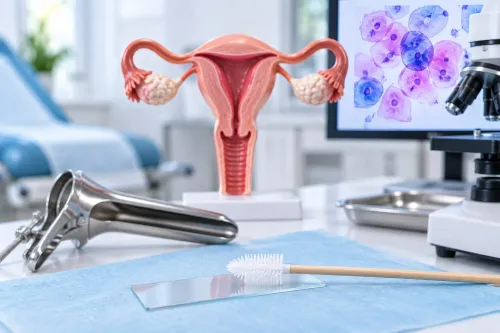
Dr. Mrs. Pradnya J. Gavali offers preconception guidance based on individual health history rather than a universal checklist. Depending on the findings, selected examinations or investigations may be recommended.
No consultation can promise conception or an uncomplicated pregnancy. Its value lies in identifying modifiable risks, improving control of existing conditions, and helping couples enter pregnancy with realistic expectations.
Preparing for pregnancy is a shared responsibility. Attention to both partners’ health, timely medical review, appropriate supplements, and sustainable lifestyle changes can create a stronger foundation for conception and pregnancy.
Keywords